Mason and JMU “Engineers” Project for Hard-of-Hearing Community
When a proposal to fund a project entitled “Toward T-Shaped Graduates: A Joint Capstone Program at the Nexus of Mechanical Engineering and Science and Technology Policy” arrived at the 4-VA@Mason office, it was quickly apparent that it would check more than a few 4-VA boxes – creating an interdisciplinary, wholistic approach for education which utilizes technology for societal good. As it turns out, the 4-VA Advisory Board agreed, and a grant for the research was extended.
This project asked students from James Madison University and Mason to consider how technology can be applied to solve challenges that include both technological and policy components. Through trans-institutional partnerships, students were challenged to innovate outside of their disciplinary backgrounds by collaborating across programs. They were guided by four faculty advisors from a range of fields — engineering, biotechnology, political science, and communications. As the lead PI Dr. Jeffrey Moran explains it, “T-shaped graduates are those that represent both a depth (the stem of the capital letter ‘T’) and breadth (top of ‘T’) of expertise.”
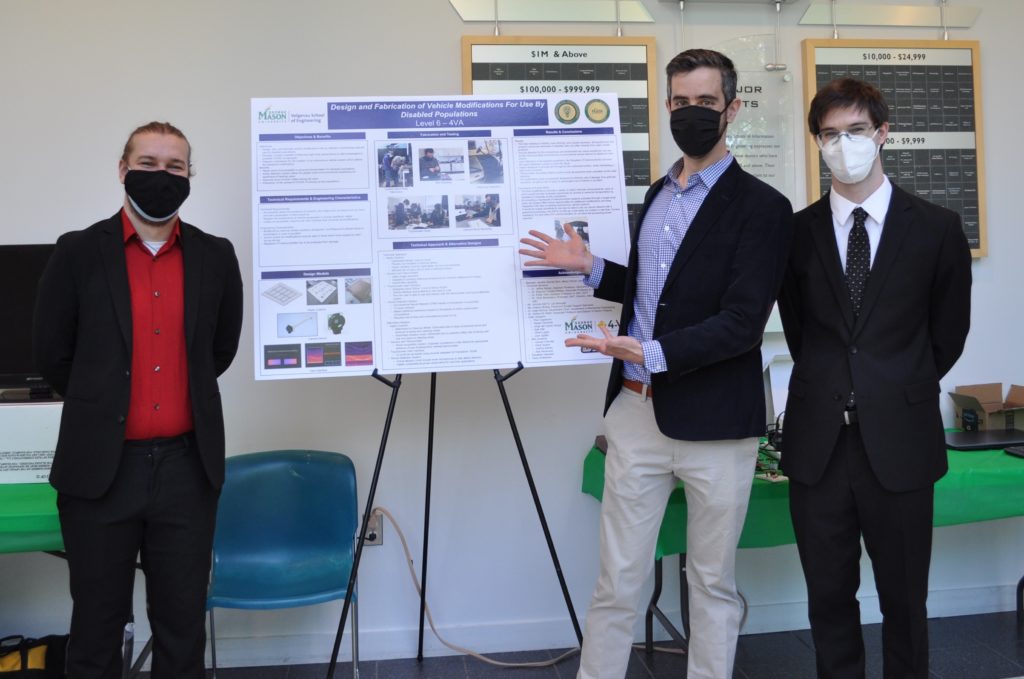
Moran sought to task students with the goal of addressing public needs; this often means tackling problems that straddle boundaries between disciplines. Moran noted that today’s environment calls for a new type of student and professional – an individual who is skilled in transcending disciplinary silos to address undertakings that do not fit into a single, specific category.
Mason student and team lead Kyle Hall called the project assignment complex and challenging. “It was so broad and open, it was hard to know where to begin,” Hall says. That, along with the shutdown brought on by the pandemic, the team (naming themselves ‘Level 6’ — see below) was prevented from meeting in person with the JMU students or with policymakers (as originally intended) to discuss the project. Nevertheless, they forged ahead armed with research confirming that the deaf and hard-of-hearing community were often hampered by their disability when driving.
Looking toward the future of autonomous vehicles (AV), the team settled on creating an alert system for an AV to support hard-of-hearing adults as they rode in an AV.
Their first assignment would be to learn more about the specific needs of the population. Fortunately, Hall notes, the JMU group had experience in theory and research reports and were able to provide the necessary foundation to begin project development. Additionally, because the JMU team also had experience in research involving human subjects, they were able to obtain permission from an institutional review board to start the study almost immediately.
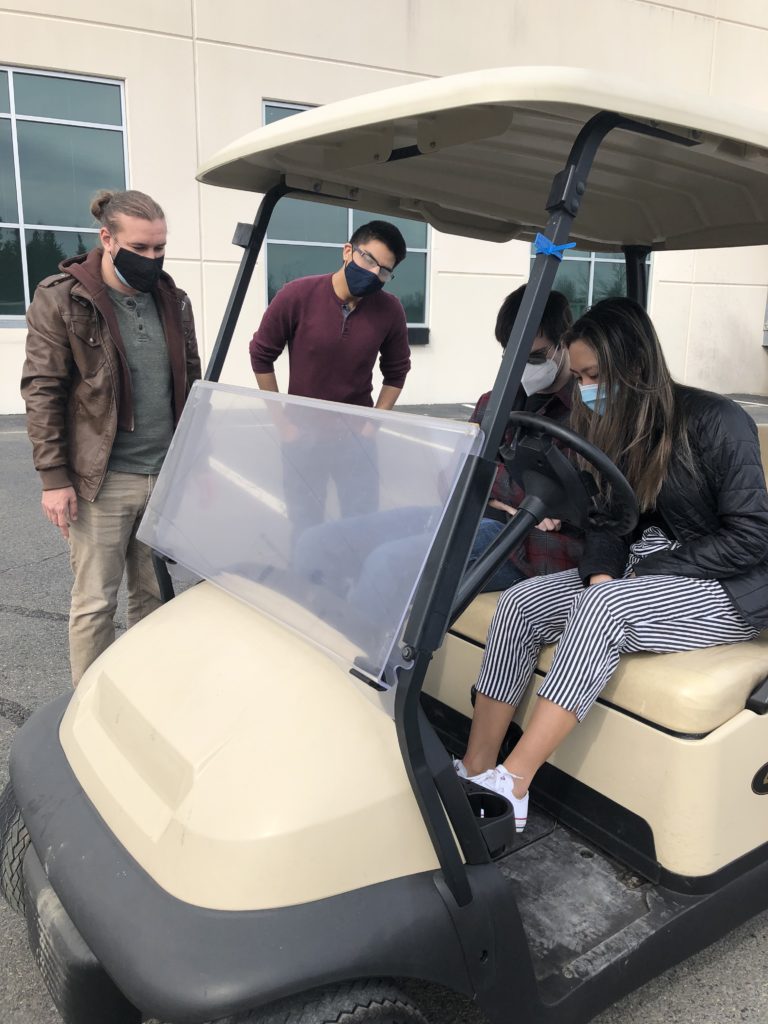
Following the JMU start, the Mason team procured a golf cart to function as the prototype vehicle for the project, and they launched on a series of technological modifications to alert the ‘driver’ to activities around the vehicle.
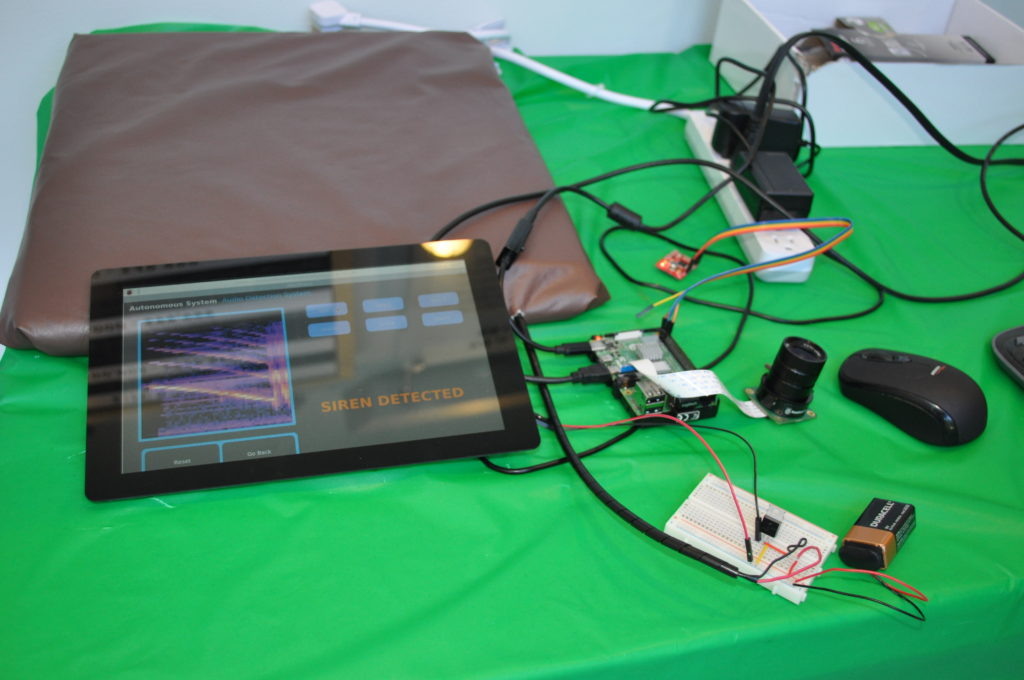
First, the students created an alert system using a 360-degree microphone mounted in the cart. The microphone, linked to a Raspberry Pi (a small onboard computer), reads sounds in the immediate area. Using machine learning approaches, the system detects 10 different sounds that signal the need for increased caution, including an ambulance, fire engine and police siren, honking horn, construction work, people yelling, children playing, and dogs barking. The process was sometimes time-consuming – as is typical for machine learning, the system had to be “trained” to recognize these sounds, sometimes taking up to 100 hours for the network to learn one sound. When one of the 10 noises is detected, a seat cushion outfitted with a haptic sensor vibrates to let the driver know that a hazard is nearby. The driver is then prompted to read a tablet screen on the dashboard which identifies the noise.
One additional piece of instrumentation outfitted in the vehicle is a camera installed on the ceiling, which is pointed at the driver’s forehead and can read body temperature. Although not solely relevant to deaf users, the team anticipated that body temperature checks will be widely considered the norm for ridesharing in the post-COVID-19 era.
This labor-intensive systems creation and testing was undertaken in a workshop located on the Science and Technology campus in Manassas, where the group met most Friday afternoons during the spring semester. There, Hall says, they each focused on specific elements of the technology, but worked together to ensure a seamless final product. (In one positive outcome of the general switch to virtual learning due to the pandemic; a JMU student on the team, who was living at home in Northern Virginia taking online classes, was able to join the Mason team in person in Manassas.)
“This project allowed the advisors and students to tackle complex, multifaceted problems for the public good while building a great relationship with our colleagues at James Madison, which will continue in the future,” says Moran. “And the students far exceeded our expectations for finding creative solutions to difficult problems, especially during this complicated year and with such an open-ended project.”
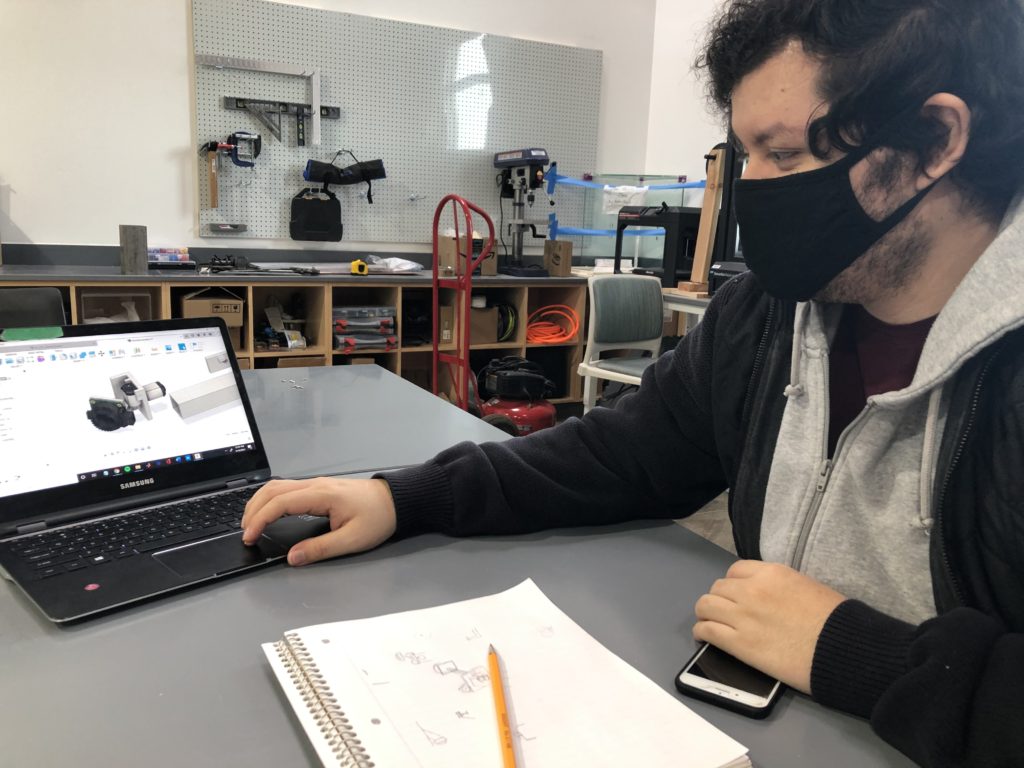
Nathan M. Kathir, Associate Professor & Director of Senior Projects in the Department of Mechanical Engineering Projects agrees, “A primary objective of the mechanical engineering program’s senior design course, also known as the capstone program, is to enrich the educational experience of senior-level students with a real-world engineering experience. Mason’s six students on the Team level-6 experienced much more than that.” Kathir continues, “In the program’s five-year history, they were the first team to collaborate with those outside of Mason and they did that despite restrictions due to Covid-19 throughout the year. In a T-shaped graduate manner, not only they used their technical expertise, but they also excelled on other areas such as collaboration, communication, partnering with external stakeholders, managing risks, and planning for unknowns.”
Hall and Moran foresee that this project could be the beginning of a true legacy project, augmented by students in the future, adding modifications for communities with vision or mobility issues. “I can see that this project could continue to build great things,” notes Moran.
Meet the Level 6* Team
Although each member of the team focused on specific and separate modifications for the vehicle, it was a group effort to bring the total technology to fruition.
Josh Ogden — devised the technology for the camera.
Paul Cipparone — formulated the haptic cushion.
Jeorge del Carpio Arispe — focused on the touch screen.
Oliver Lopez — worked on CAD modeling.
Raizel Clemente — handled all communications, purchases for items and materials.
Kyle Hall — organized the project and insured deadlines were met and wrote all the reports.
*The Level 6 name is a nod to the ratings of AVs – as a Tesla is considered Level 3, highly autonomous cars are Level 5 — this team’s development of technical modifications is Level 6.
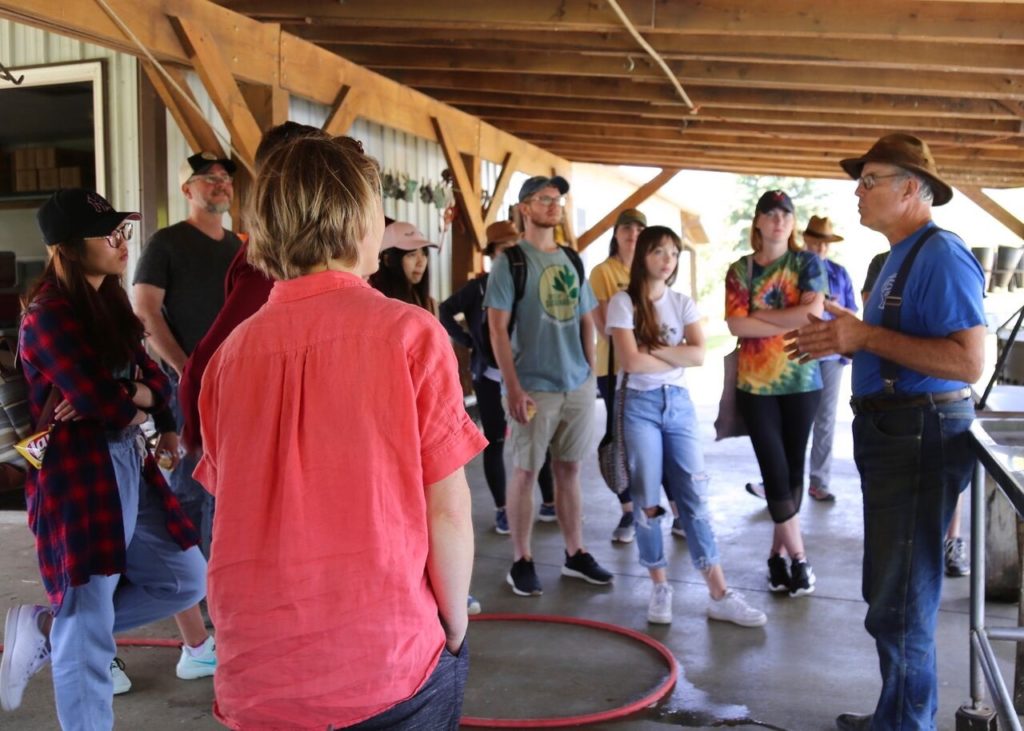

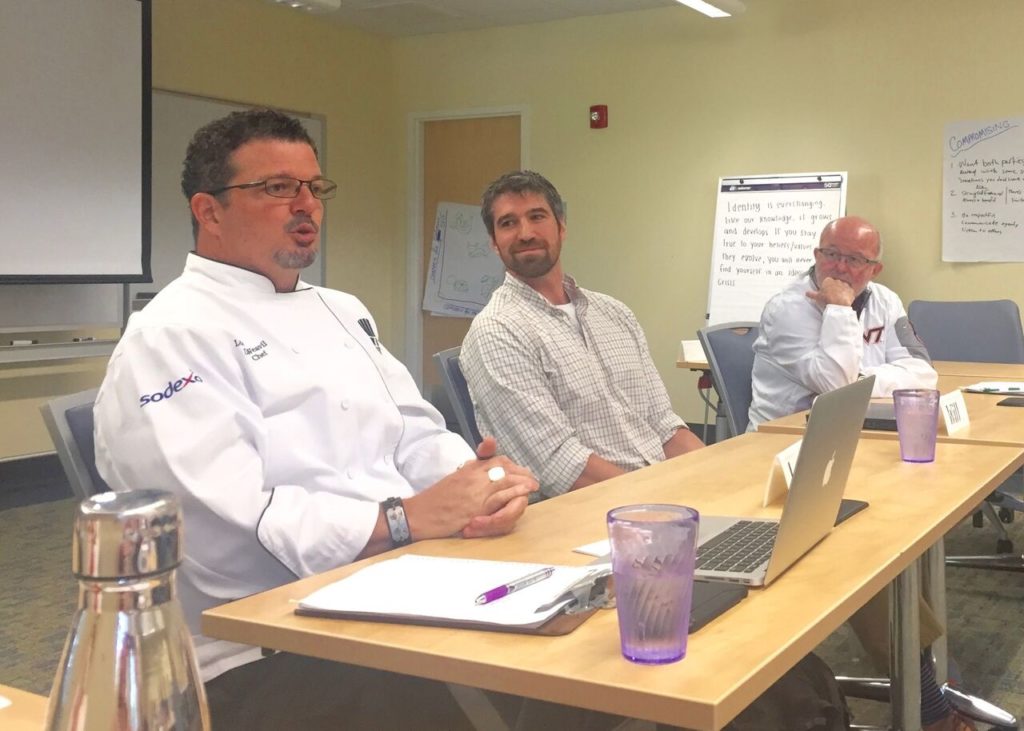
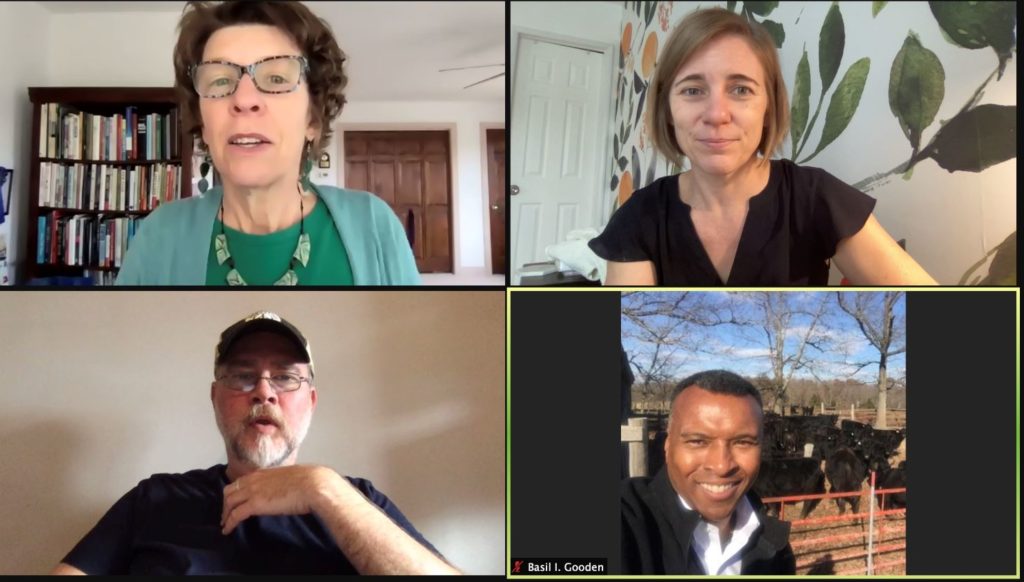





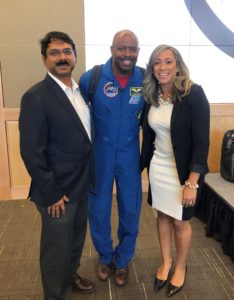
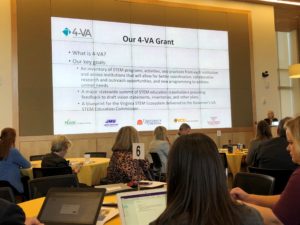 More than 140 leaders from Virginia’s K-12 and higher education institutions, out-of-school providers, the private and business sectors, and state officials and institutions joined together recently to begin the work of developing a blueprint for a statewide STEM network. This structure will be the basis for creating cross sector pedagogies providing Virginia’s youth access to a learning environment which will allow them to grow important skills to engage in science, technology, engineering, and mathematics from PreK – 16. “Virginia’s STEM Summit” was hosted by Virginia Commonwealth University and sponsored through a grant from 4-VA. The project was developed by a group 4-VA schools – VCU, Virginia Tech, George Mason, James Madison, and University of Virginia in coordination with the Virginia Department of Education and the Office of the Governor.
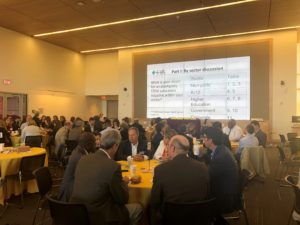 The day concluded with a group effort to integrate the work created at each roundtable into a viable framework for the Commonwealth. The conclusions will provide the basis for the STEM ecosystem build out and will be forwarded to the Virginia’s STEM Education Commission.
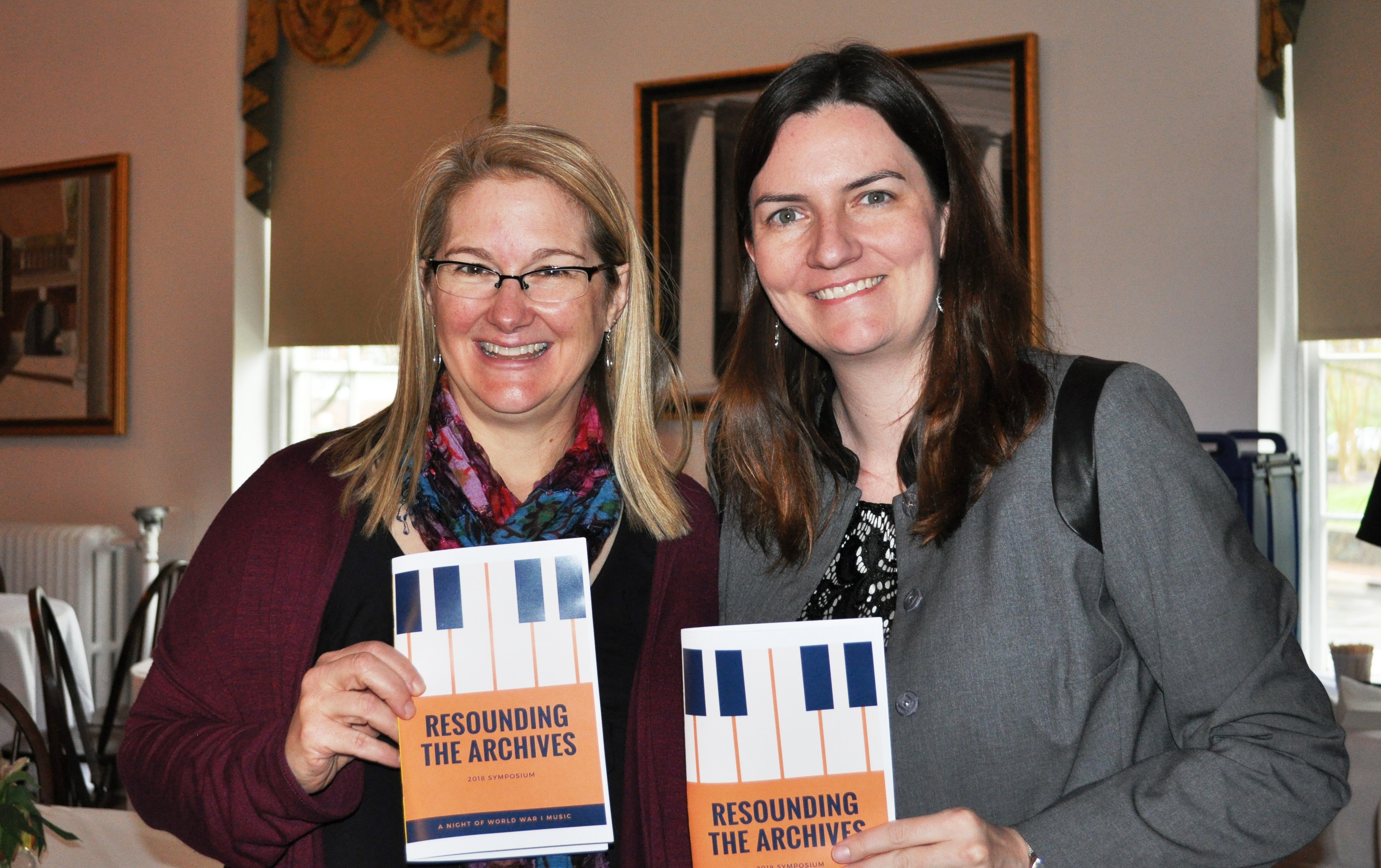
 Representatives from all three universities worked together to coordinate a special performance in UVA’s historic Colonnade Club’s Garden Room. That evening, 18 different pieces of music, from “K-K-K Katy” to “Over There” to “Oh, How I Hate to Get Up in the Morning” were delivered to a packed house. Student engineers were on site to record the performance.