Thanks to a seed planted by a 4-VA grant, a unique hands-on course in food sustainability — coordinated by the Director of Environmental and Sustainability Studies at George Mason University, Andrew Wingfield — was piloted this summer at the Smithsonian-Mason School of Conservation in Front Royal, Va. Collaborating with Wingfield in the creation of the course were Dr. Kerri LaCharite, Assistant Professor in Mason’s department of Nutrition and Food Studies; faculty and staff from other 4-VA member institutions James Madison, University of Virginia, and Virginia Tech; and Dr. Catherine Christen of the Smithsonian Institution’s Conservation Commons.
 University faculty, along with professionals from food systems stakeholder organizations including dining service companies Aramark and Sodexo, farmers, food aggregators and distributors, and food system labor leaders, led the classroom work. The course also
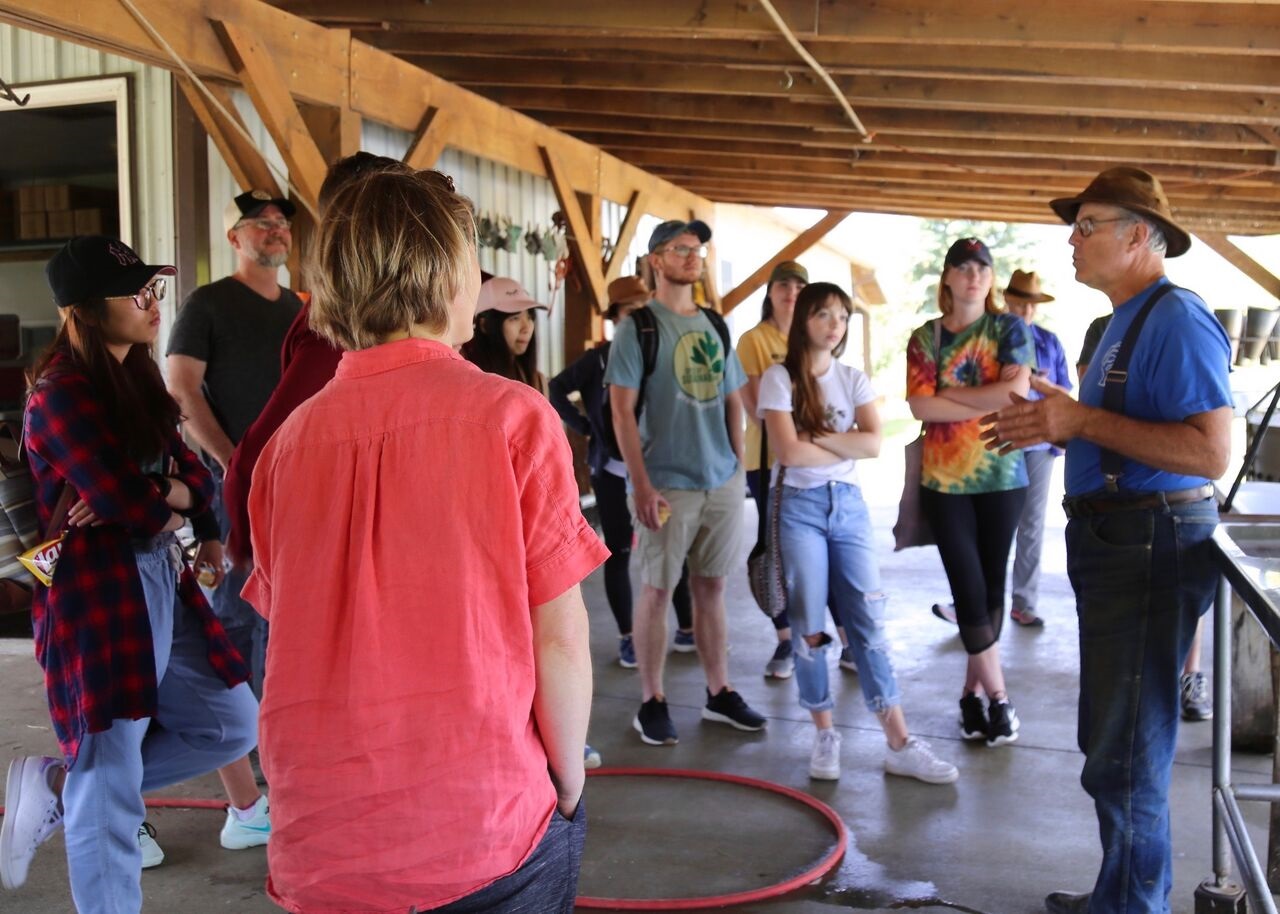
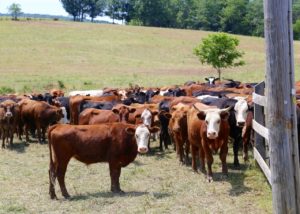
  integrated field trips to farms, a produce auction, professional kitchens, and other food systems sites. One such field trip included a day at the innovative Polyface Farm, heavily featured in Michael Pollan’s noted book The Omnivore’s Dilemma and in the celebrated documentary Food, Inc. with discussions led by owner and renowned farmer Joel Salatin.
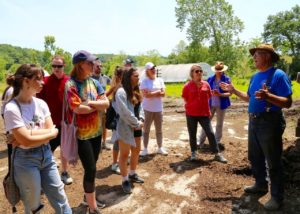
“We were delighted to be able to bring together a wide range of food professionals from diverse backgrounds to provide our students a complete picture of the challenges and opportunities for building a more sustainable Virginia food system,” explained Wingfield. “It was a one-of-a-kind experience for all of us.”
Mason Nutrition and Food Studies graduate student Kelly Kogan was one such student who enjoyed the experience. “This course was a fantastic chance to really immerse myself in the complex and changing chain of food delivery systems in Virginia,” Kogan said. “I also loved the mix of students who attended. We were graduates and undergraduates representing five schools — four in Virginia and one in New Jersey. Most wonderfully, everyone was so passionate about the topic. I felt an immediate spirit of camaraderie from the very first day.”
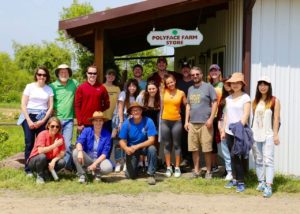
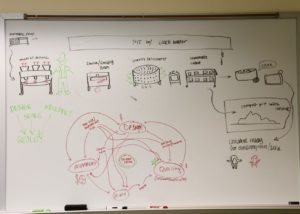
The intensive four-week class culminated in collaborative action research projects with a focus on increasing Virginia university sourcing of local and sustainably-produced foods. “We designed the course not only to teach about food sustainability, but to involve students directly in creating strategies to get more Virginia-grown food into the dining halls at our public universities,” concluded Wingfield.
*** All photo credits: Kelly Kogan
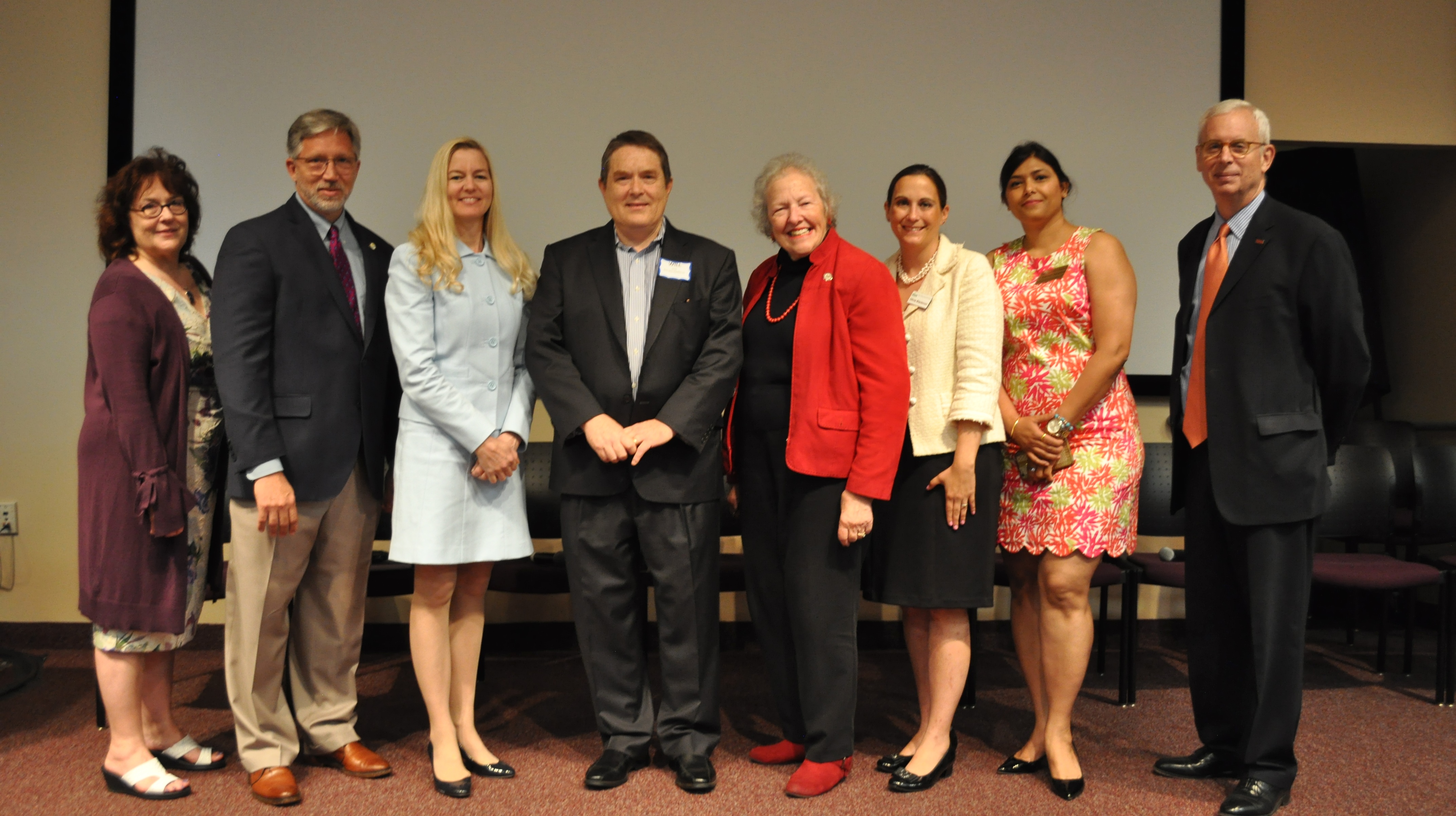
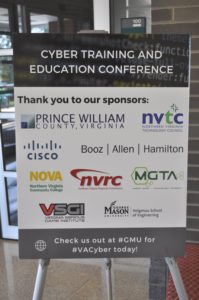 Conference, held on the George Mason University Science and Technology campus in Manassas, Virginia. The conference’s purpose was to tackle a critical issue facing the region — 43,200 vacant jobs in cyber technology waiting for workers.
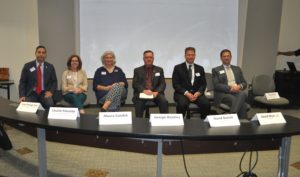 Hundreds of attendees filled the auditorium at the Mason Sci-Tech campus to learn more about the future of cyber technology. The conference offered two tracks – one for teachers interested in developing and delivering curriculum for K-12 students as well as for administrators at area institutions of higher education; the second for veterans interested in applying their skills learned in the armed services to the cyber technology field. Various panels throughout the conference discussed the ways and means to achieve the best outcome to pave pathways to cyber employment.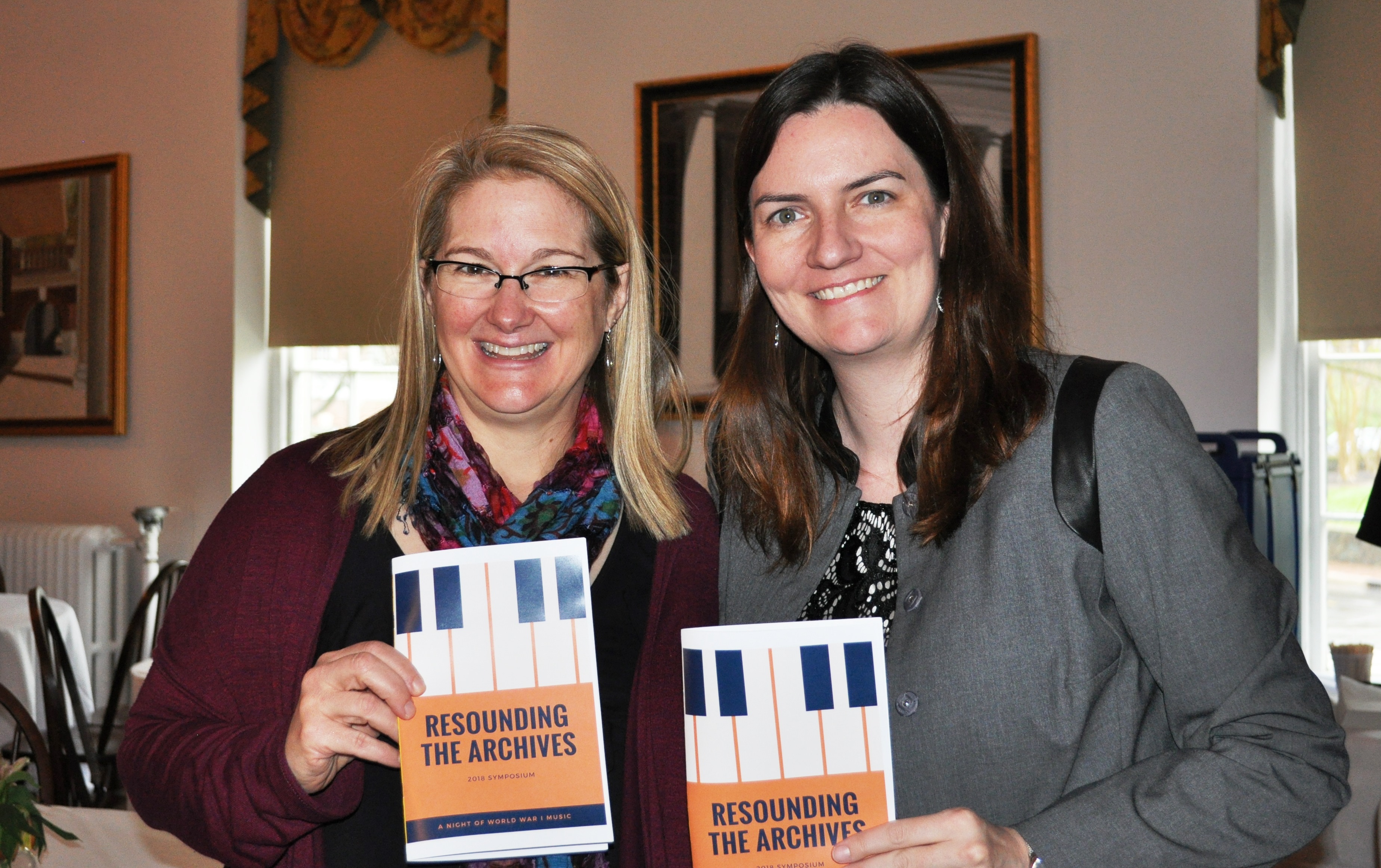
 Representatives from all three universities worked together to coordinate a special performance in UVA’s historic Colonnade Club’s Garden Room. That evening, 18 different pieces of music, from “K-K-K Katy” to “Over There” to “Oh, How I Hate to Get Up in the Morning” were delivered to a packed house. Student engineers were on site to record the performance.