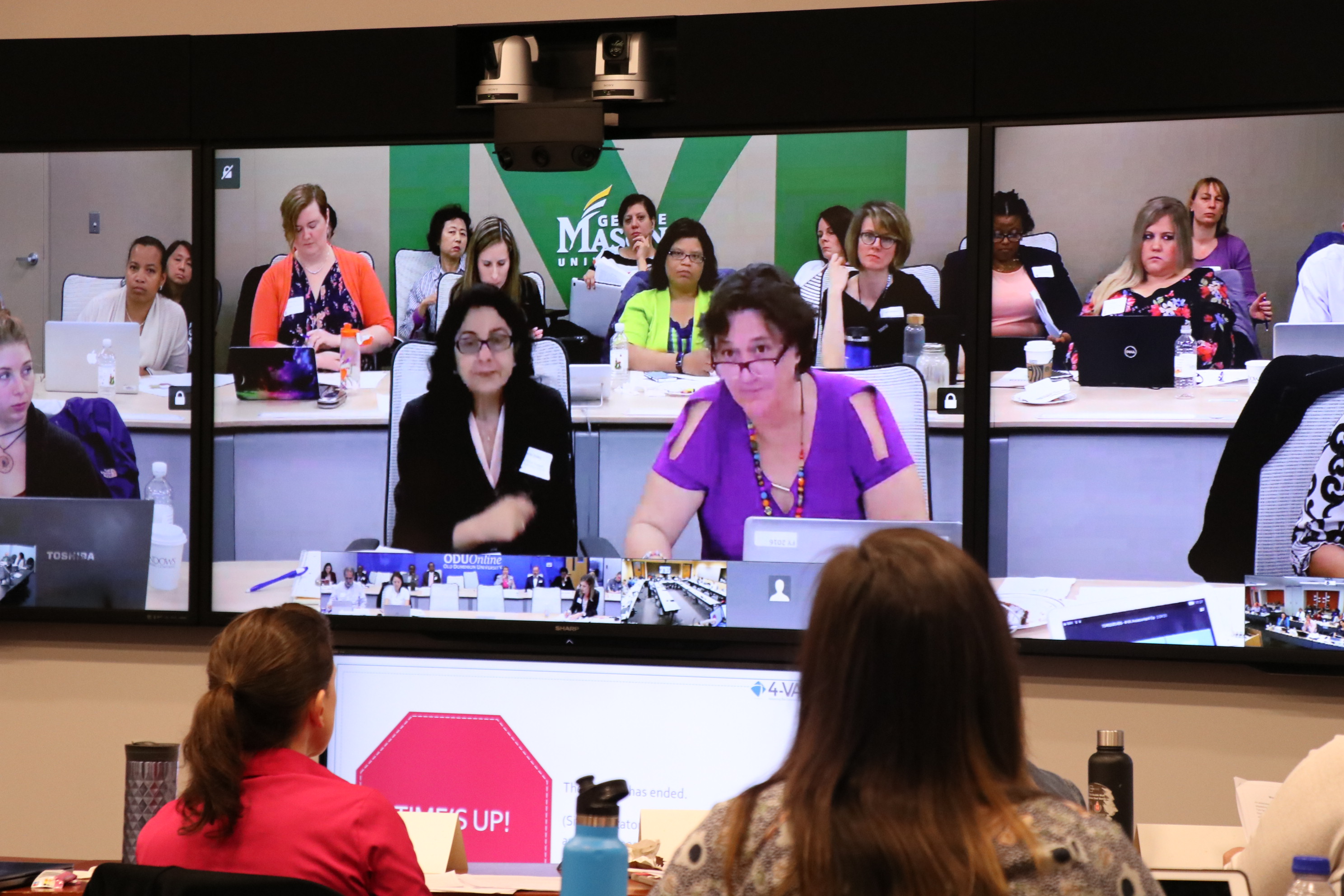
In the largest and most widespread event that 4-VA has ever coordinated – including all six 4-VA partner schools — higher education assessment professionals from across the Commonwealth came together for a “virtual” meeting. The meeting took place in April using  telepresence technology at each of the 4-VA schools.
Mason coordinator Stephanie Foster, Associate Director in the Office of Undergraduate Education, and her colleagues at the Virginia Assessment Group applied for and received a 4-VA grant to bring together assessment professionals from two- and four-year public schools, private schools, as well as alternative higher education institutions to offer advanced training for faculty and professionals who have responsibility for learning outcomes assessments in their institutions. Says Foster, “The idea for the drive-in came from a self-study of the Virginia Assessment Group’s professional development offerings. We wanted to increase participation for our community college colleagues, and travel cost was identified as a barrier to their participation. One of our board members had an idea to use the 4-VA telepresence technology to host a virtual workshop. Because it was a free event, and no participant needed to travel more than an hour to get to their closest 4-VA site, the Virtual Drive-in served a wider audience.”
The all-day workshop provided critical training on best practices in data collection, analysis, and reporting. Facilitators at each location oversaw collaborative activities to encourage partnership and sharing of innovative practices. “Telling our stories: Using assessment data for  learning and improvement” was an instant success, with 168 conference registrants representing 50 organizations: 31 universities, 15 community colleges, and 4 professional organizations. The event was funded by a 4- VA Collaborative Research Grant and organized by the nonprofit Virginia Assessment Group.
Says Foster, “Good assessment is essential to our practice as educators, and many programs are doing it well. Across the field, we are striving to improve how we share what we learn with faculty and institutional leaders so that assessment work can contribute to improving curriculum and instruction for student success.”
The day-long conference agenda involved input from each of the six locations. The conference began with a welcome from the Virginia Assessment Group president, Ryan Otto (Roanoke College) at the Virginia Tech location, and review of agenda by Kelsey Kirland from Old Dominion University. The morning workshop was presented by James Madison University Assessment and Measurement doctoral students, Andrea Pope and Caroline Prendergast; Psychological Sciences master’s student, Morgan Crewe; and JMU faculty member, S. Jeanne Horst. The morning workshop, entitled “Can we back up that claim? Making important data collection design decisions” addressed the appropriate inferences that can be drawn from assessment data collection designs. The workshop began with a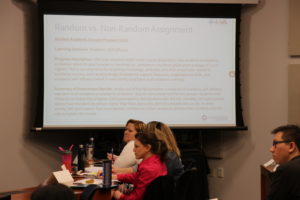 description of the gold standard, randomized control trial, followed by a “let’s get real” section highlighting the real-world data collection challenges that assessment practitioners face. Participants grappled with how to make appropriate inferences from the data collection designs that are possible given common constraints. The morning concluded with participants from each location providing suggestions for ways of dealing with practical challenges related to data collection.
The afternoon workshop, entitled “Evidence-based storytelling,” was facilitated by Jodi Fisler (State Council of Higher Education for Virginia),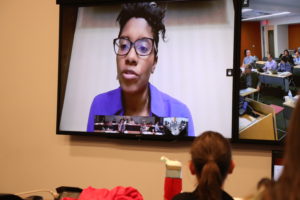 and Gianina Baker (National Institute for Learning Outcomes Assessment – NILOA). Participants viewed a video produced by Jillian Kinzie (NILOA), illustrating examples and rationale for presenting assessment findings that tell the story of student learning. Participants engaged in an activity in which they tailored a data report to a particular stakeholder audience. Gianina Baker closed the afternoon, providing reflections and suggestions for effective evidence-based reporting.
It was clear throughout the day, that connections were being made at the individual sites, and also from site to site. Attendee Adrienne E. Sullivan, Director of Accreditation in the College of Education and Human Development at Mason put it this way, “For me, the opportunity to meet and chat with other colleagues from Mason was great. (But) The highlight was to meet colleagues from other local higher education institutions and learn how they implement and handle assessment data collection was really fabulous. It made me feel that we are not alone in the struggle to find an efficient way to collect data!”
Written with contributions from S. Jeanne Horst, JMU. and Stephanie Foster, Mason. Photo credit: Kim Reedy, JMU
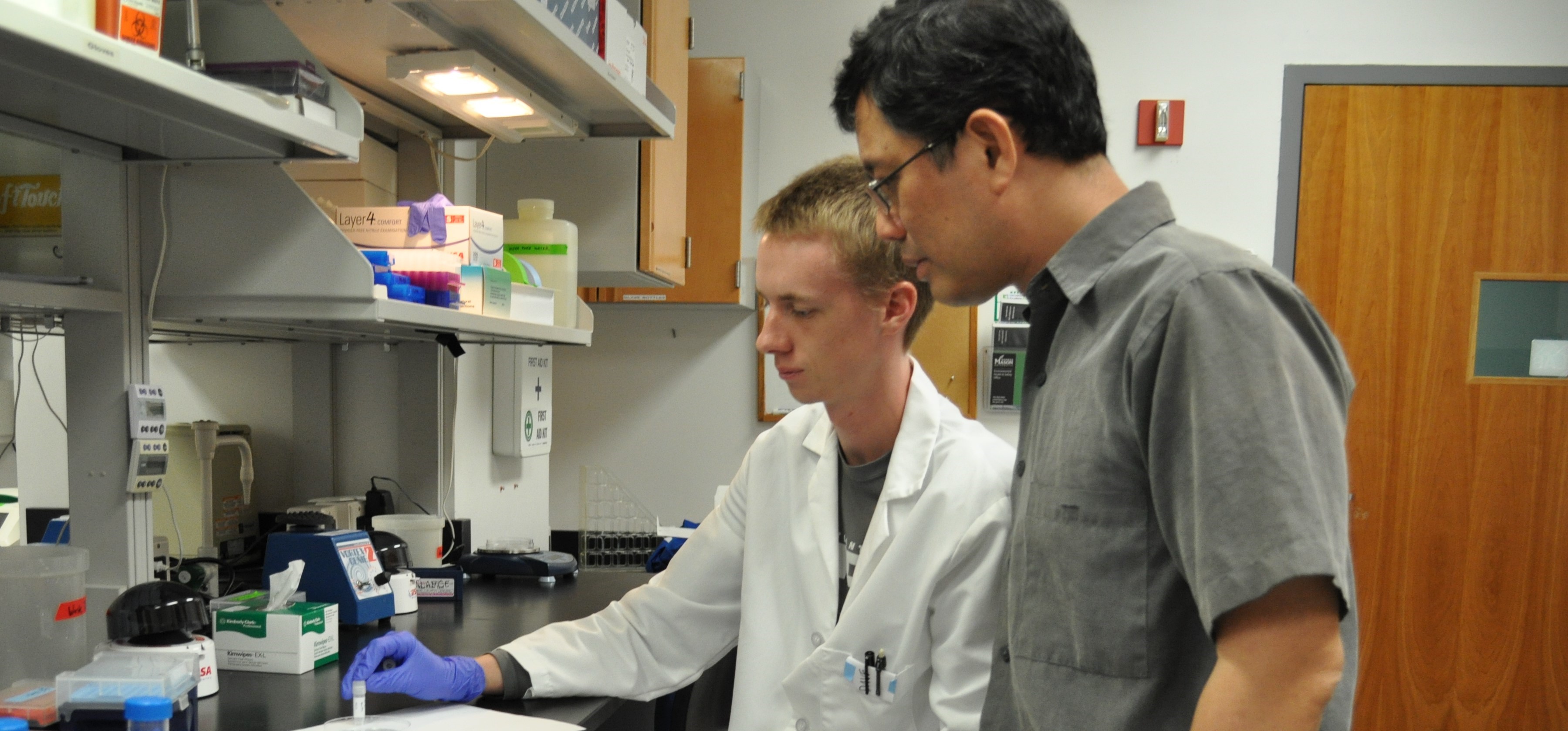
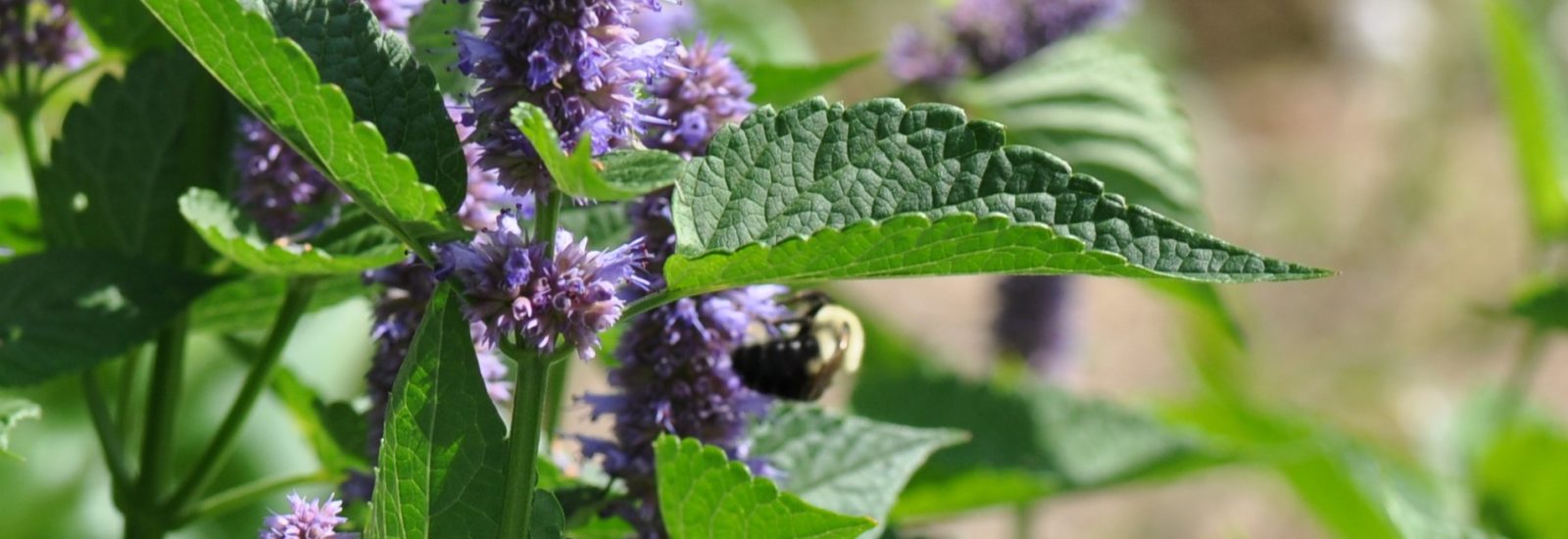
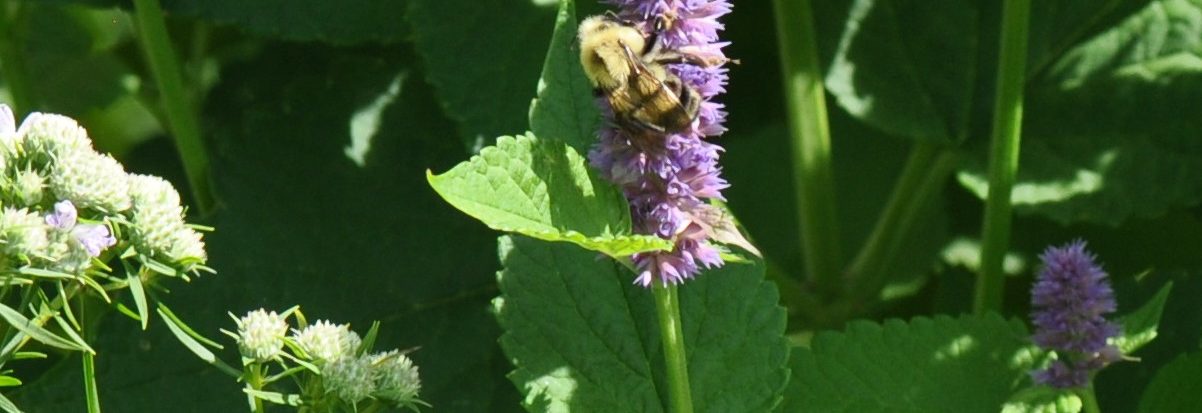
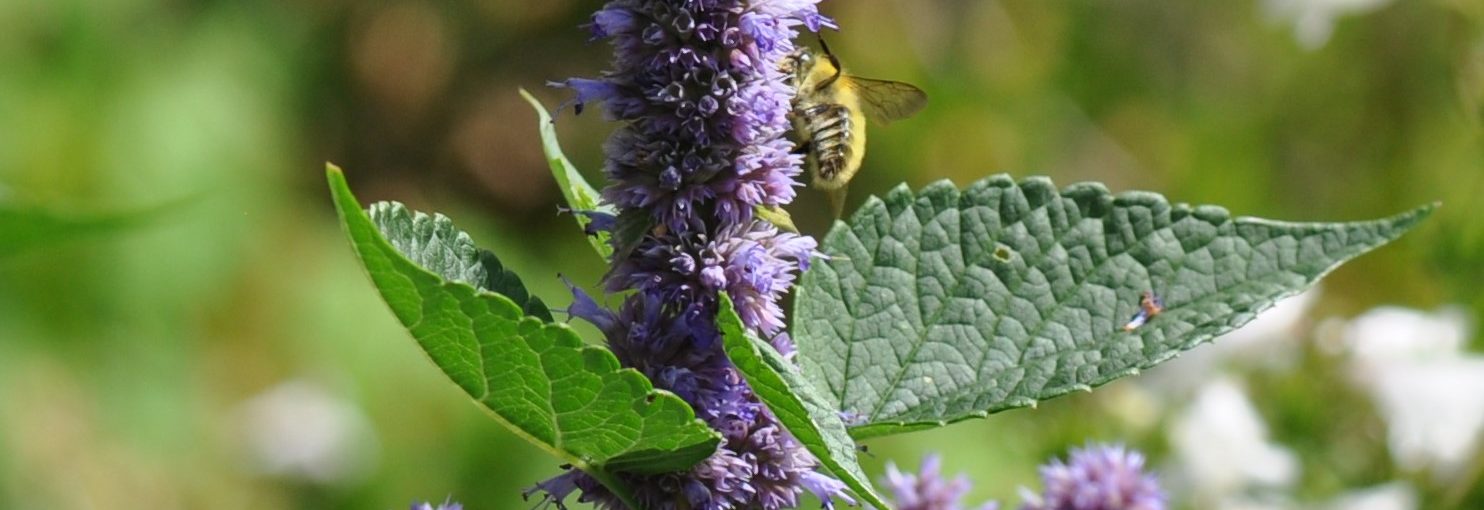
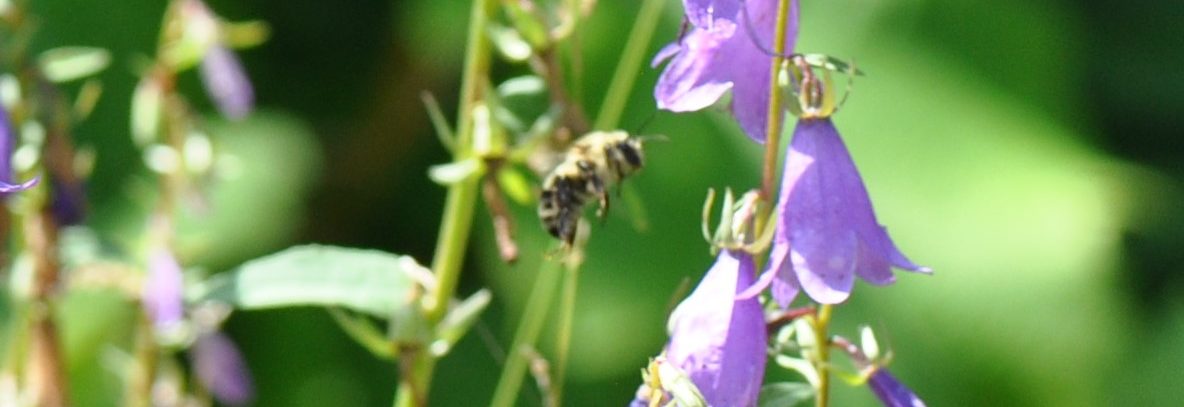
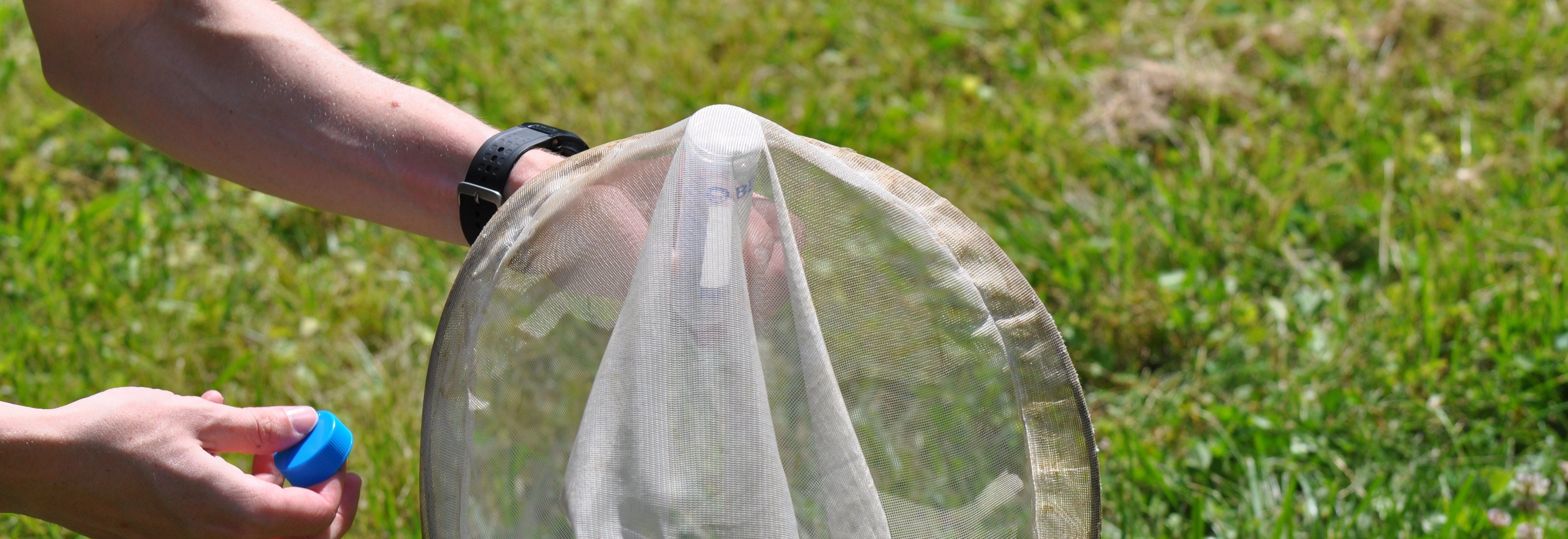
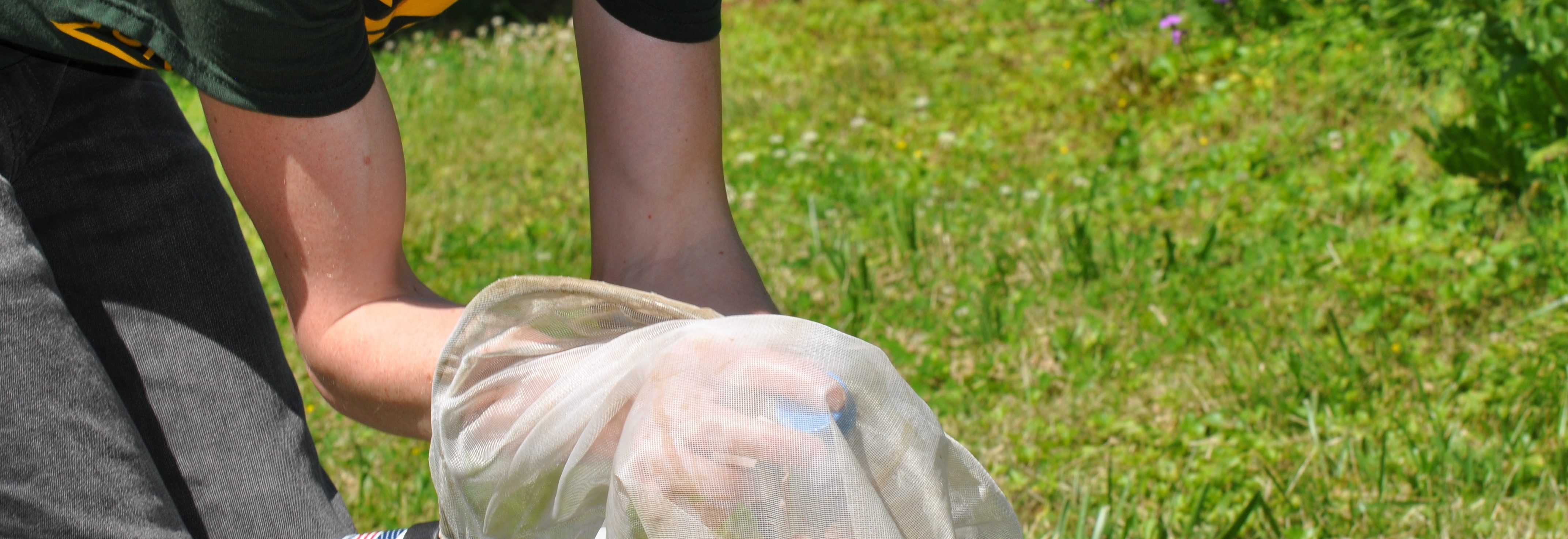
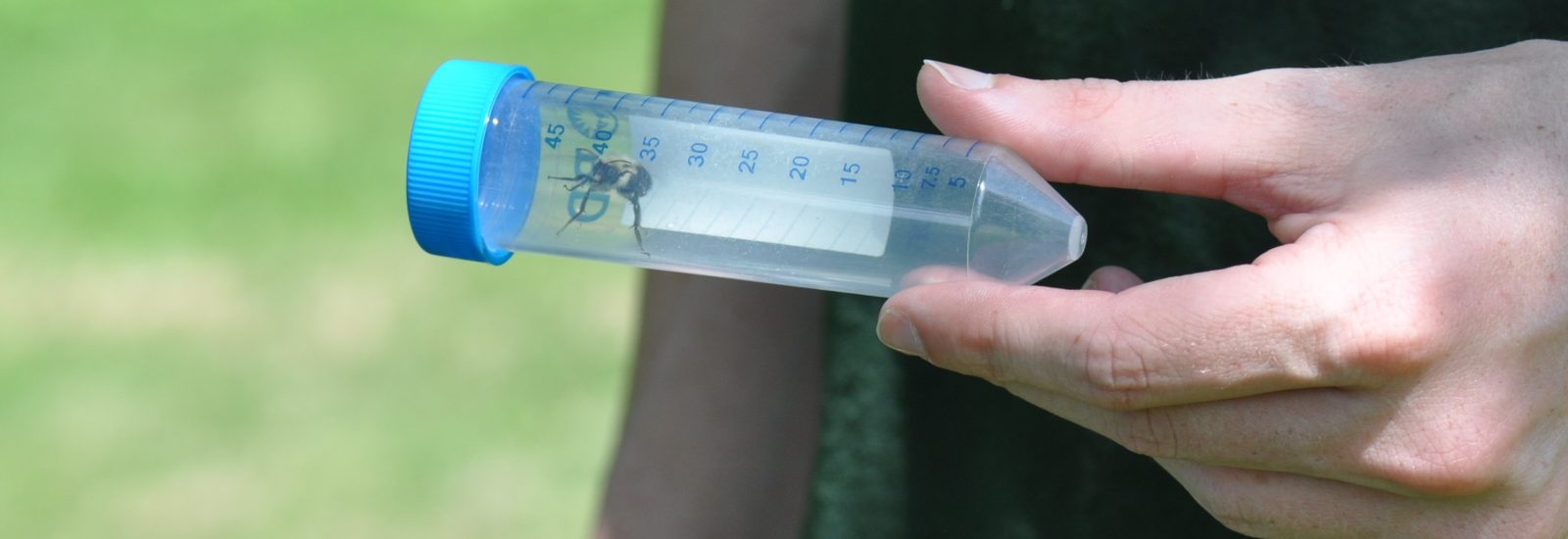
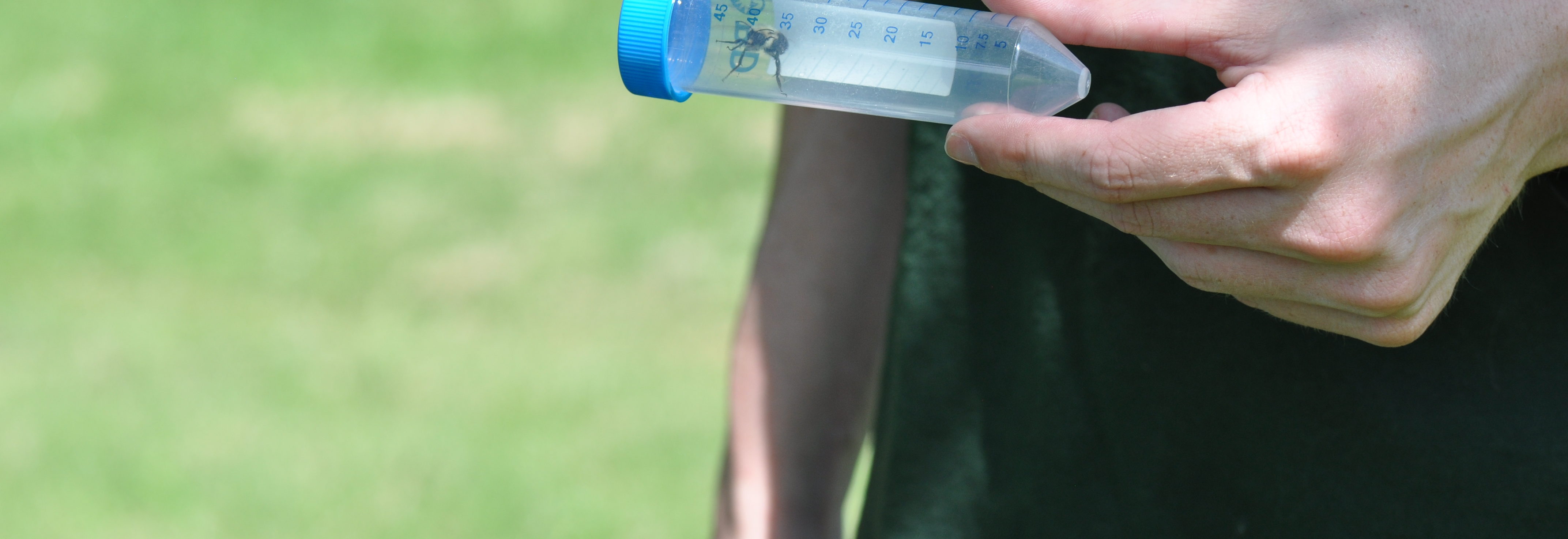
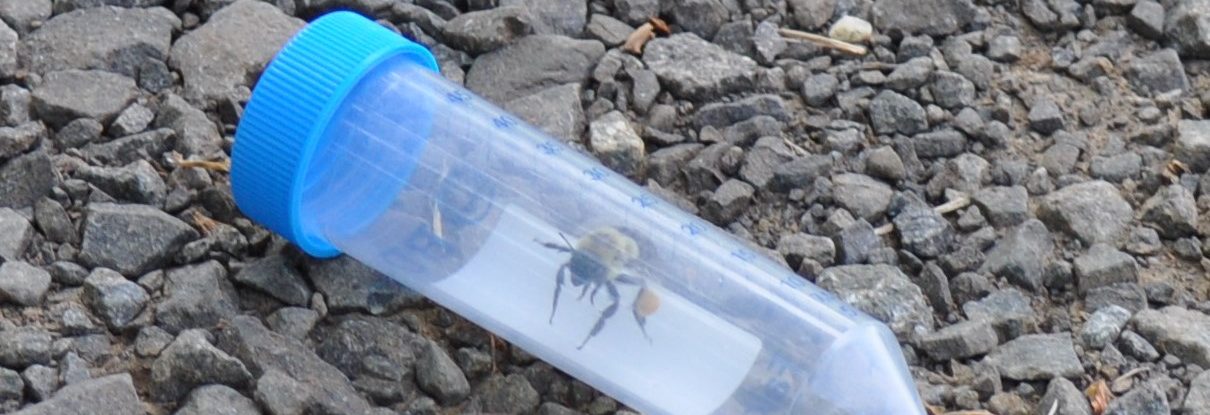
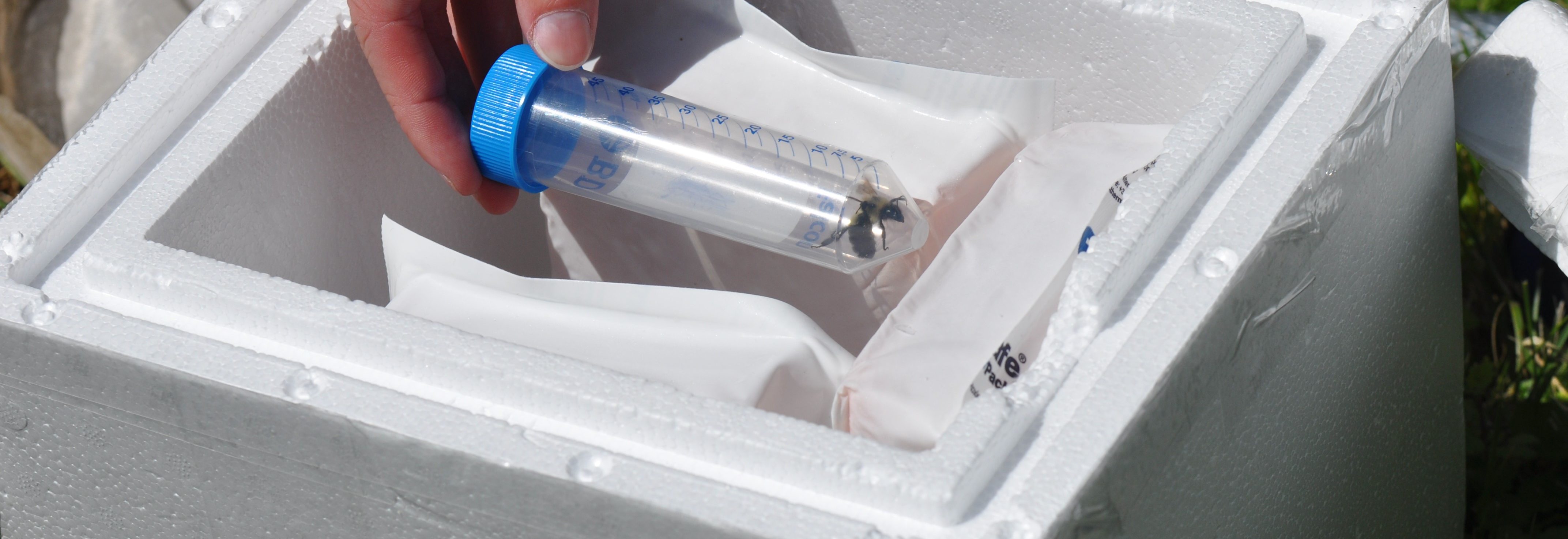
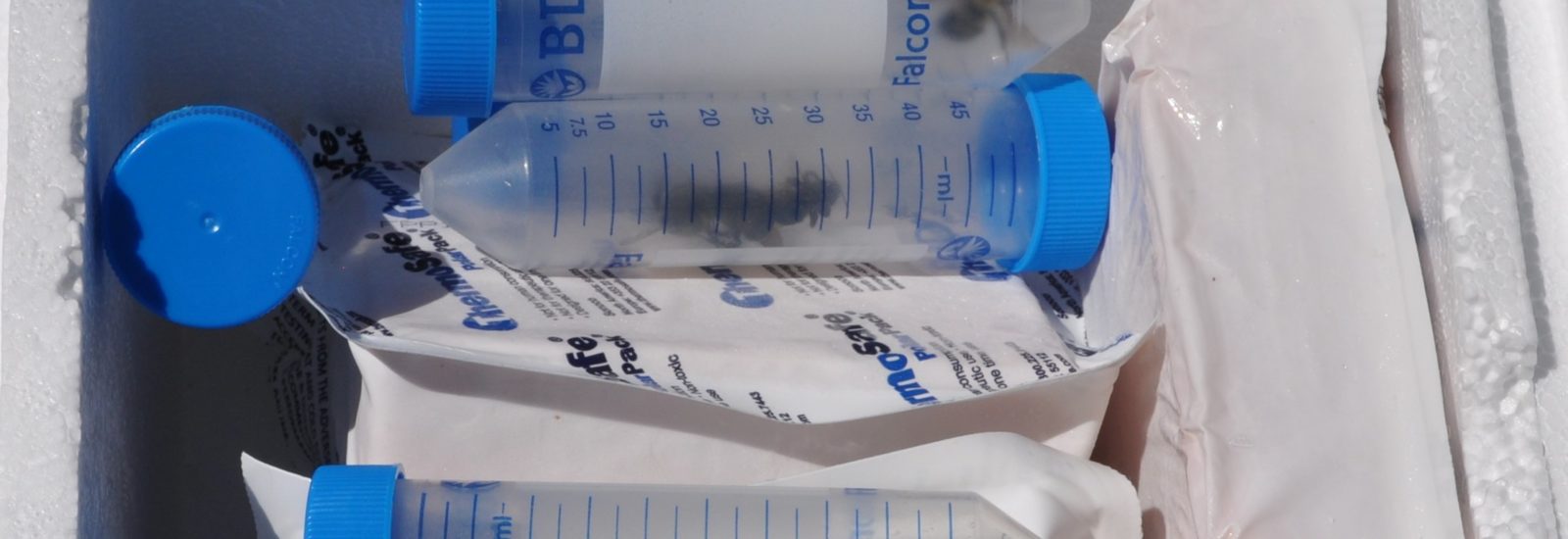
 nesting behavior, genetic diversity and other traits, but the hard science is not there. To take a closer look, Dr. Haw Chuan Lim and his Mason team of graduate and undergraduate students armed with a 4-VA2Mason grant are conducting groundbreaking research via their “High Throughput Bee Pathogen Survey.”
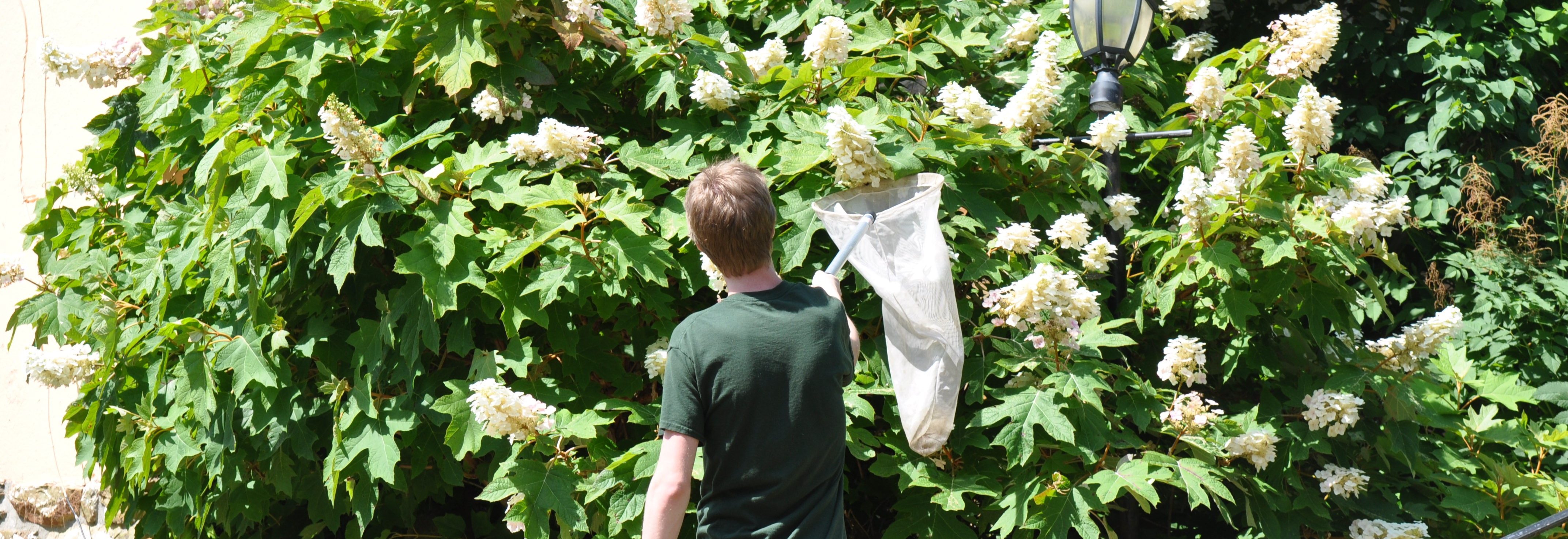
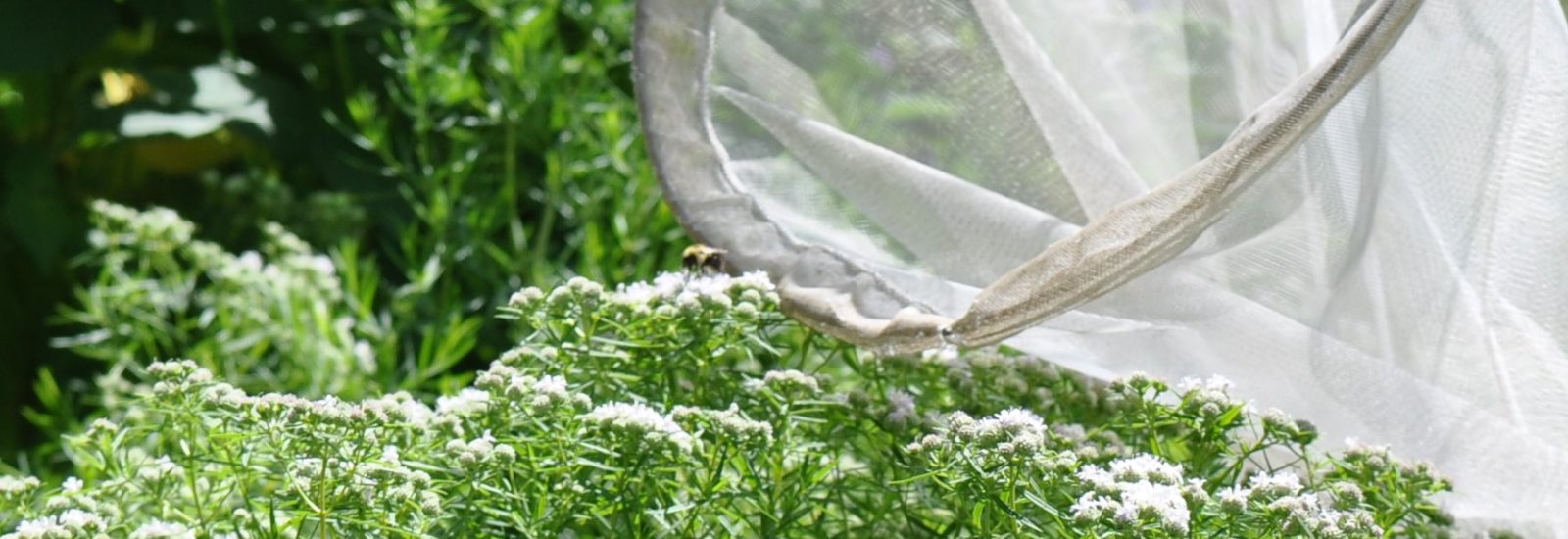
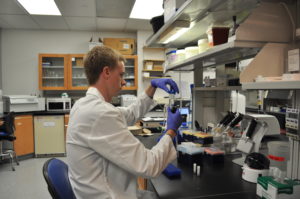 but to develop state-of-the-art research techniques as they closely investigate extracted RNA and DNA from three bee species in Northern Virginia. Together, they are harnessing the bioinformatics and genomics capabilities at the Mason Sci-Tech campus while developing their own sequence capture probe-set to enable a comprehensive survey of pathogens and micro-parasites. They collaborate closely with Mason’s Rebecca Forkner and UVA’s T’ai Roulston. Both Forkner and Roulston have many years of experience in pollinator biology, using the Virginia Working Landscapes (VWL) program — the sites of the bee collection — and UVA’s Blandy Experimental Farm.
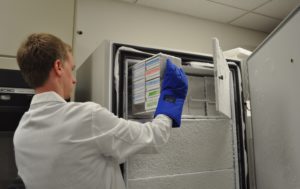 When the initial series of specimens was harvested, master’s student David Lambrecht went
 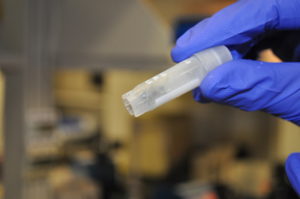 into overdrive. “I’ve spent many long days and nights in this space,” notes Lambrecht as he removes a bee sample from the freezer. After freezing each specimen, the students on the project learned how to extract total RNA and total DNA from each specimen. By using techniques such as target sequence capture and polymerase chain reactions, they can then enrich for and sequence a variety of bee pathogens whose genomes are made up of RNA and DNA molecules.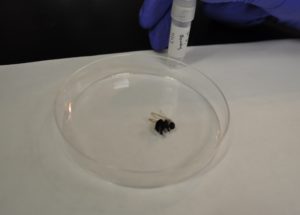
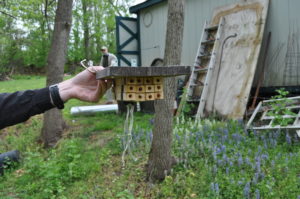 immune responses of bees.




 While George Mason University produces hundreds of candidates each year in the field of education, academic leaders at Mason recognized the need to work closely with area educational institutions – both public and private – to ensure that those candidates meet and surpass the expectations in today’s educational environment.
 To do so, armed with a grant from the Association of Public and Land Grant Universities (APLU), Mason recently held a roundtable of academic leaders as well as a host of representatives from private and public schools from the greater Washington, DC area to look closely at the needs of area teaching institutions. The event also prominently included educators and faculty from Northern Virginia Community College (NOVA), Mason’s community college partner in the ADVANCE program, a nationally recognized program which supports the seamless transfer of students from the two-year school to Mason.
 successful teachers. Not surprisingly, many groups arrived at the same conclusions, including the need for significant ‘ground level’ experience with groups of students, providing background for how to handle classroom situations; the ability to work in a team environment; and the ‘soft skills’ necessary to handle a variety of audiences — students, fellow teachers and parents.
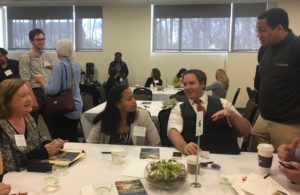 At the conclusion of the event, each table shared their findings with the room and a list of targeted skill sets were noted. Muir recalled the energy and environment throughout the day, “We were able to connect a group of passionate, motivated leaders in education – they were enthusiastic about the idea of building better teachers and I know we’ve begun to construct stronger pathways for our students from NOVA to Mason and beyond.”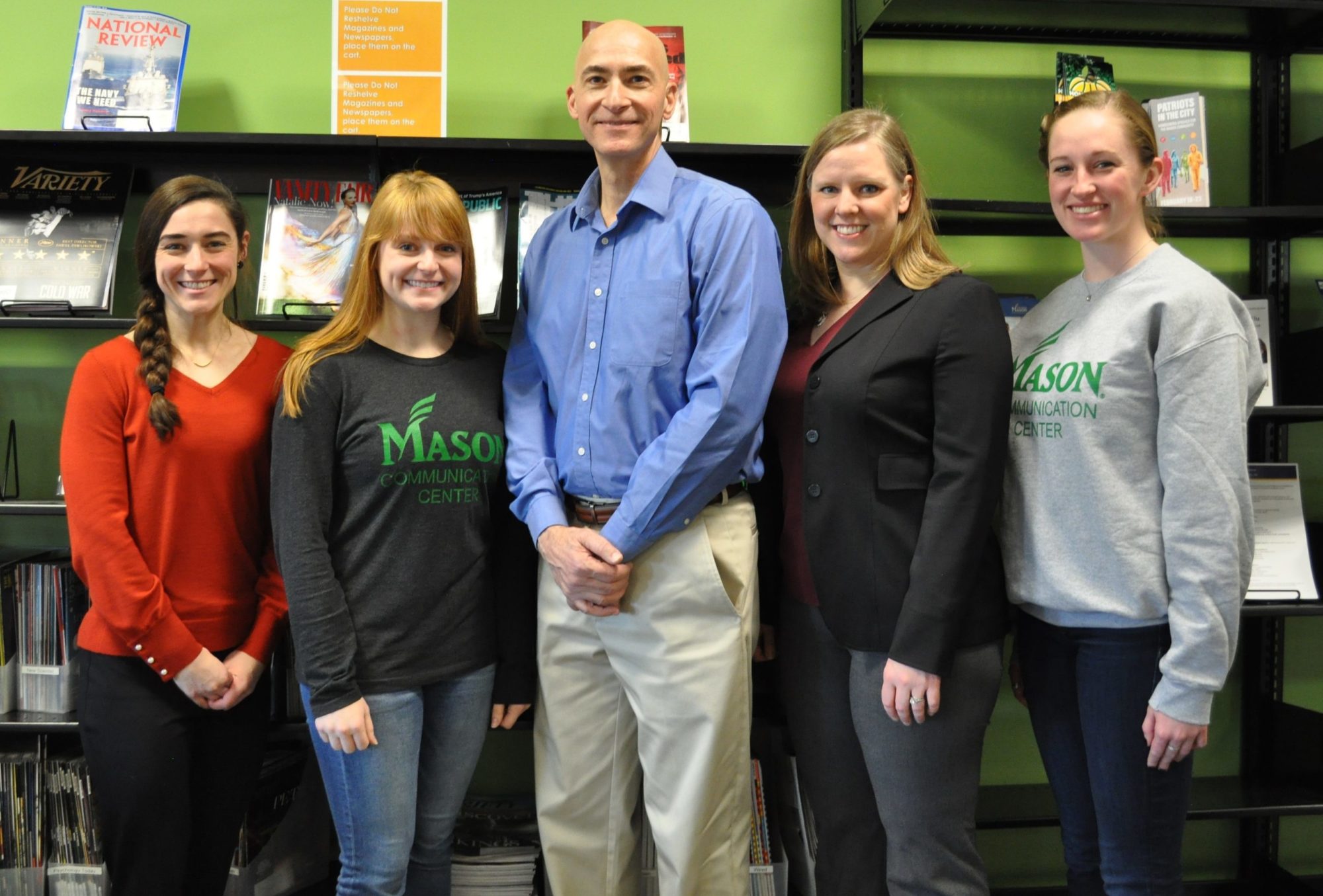
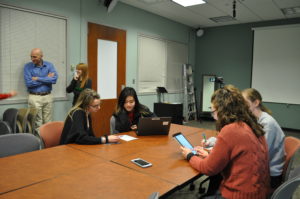 Communication Center for all students enrolled in the course. In the Communication Center, which is funded by the cost savings from moving the first hour of the course online, students meet with student Communication Coaches to get feedback on outlines, video record and practice presentations, practice interviews, work on developing group presentations, and more. Most of the Coaches are members of Mason’s nationally-renowned forensics and debate teams, graduate students who also teach the course, and students who have demonstrated outstanding communication and feedback skills, who are able to share their advanced training with students that are just getting started.
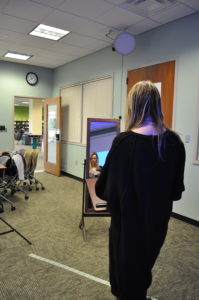 The Communication Center is a ‘one stop shop’ for valuable one-on-one coaching sessions for students as they prepare presentations. Currently, the Center is open every day between 10:00 AM and 5:00 PM and books more than 300
 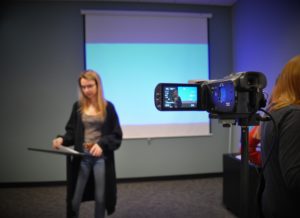 appointments a week. It is anticipated that number will balloon as more students recognize the benefit of the help.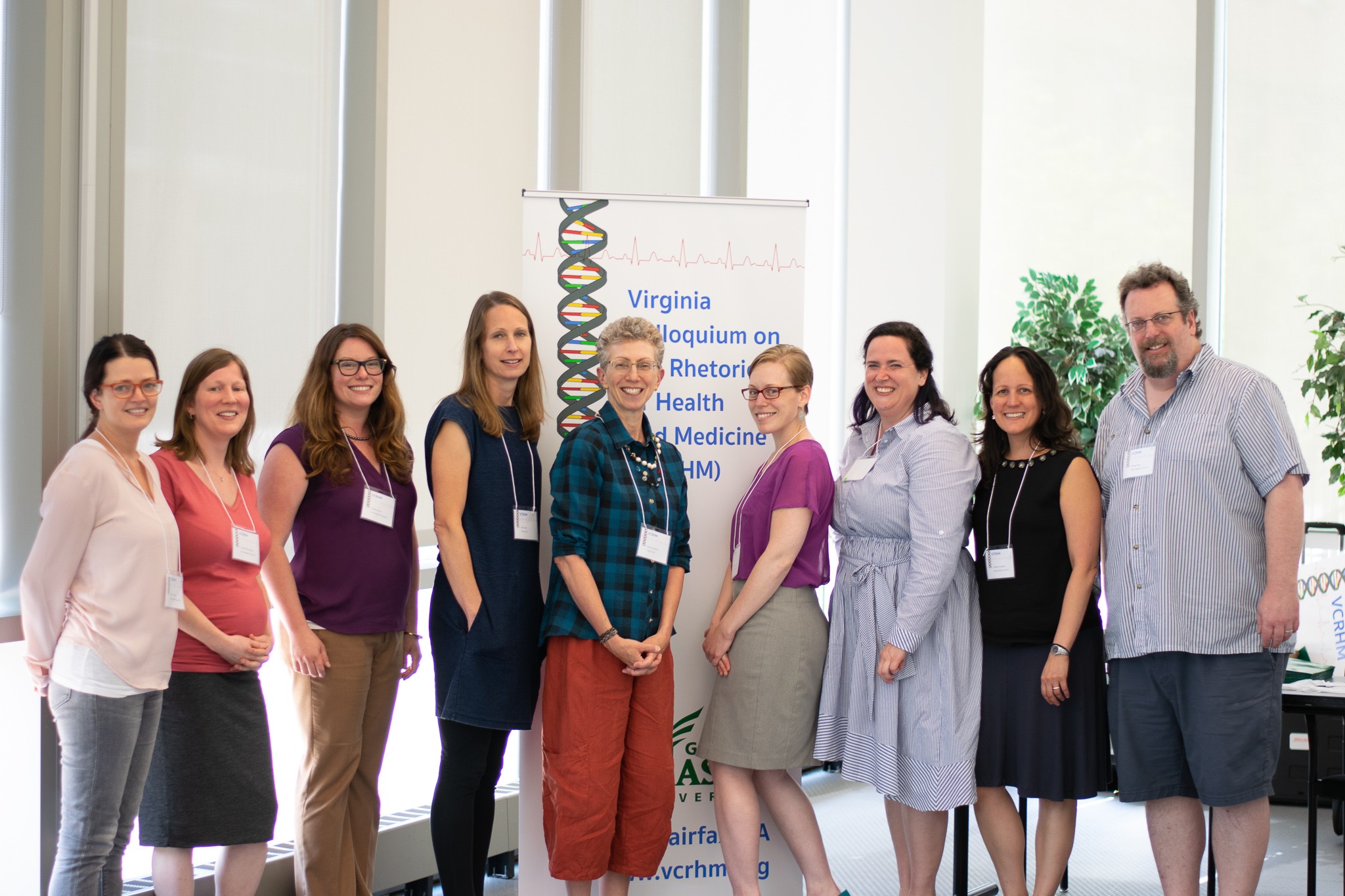
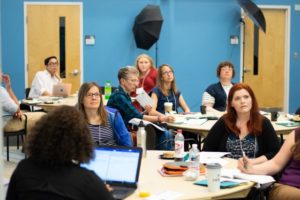 The grant provided the funding for a first-of-its-kind statewide symposium “The Virginia Colloquium on the Rhetoric of Health and Medicine” (VCRHM).

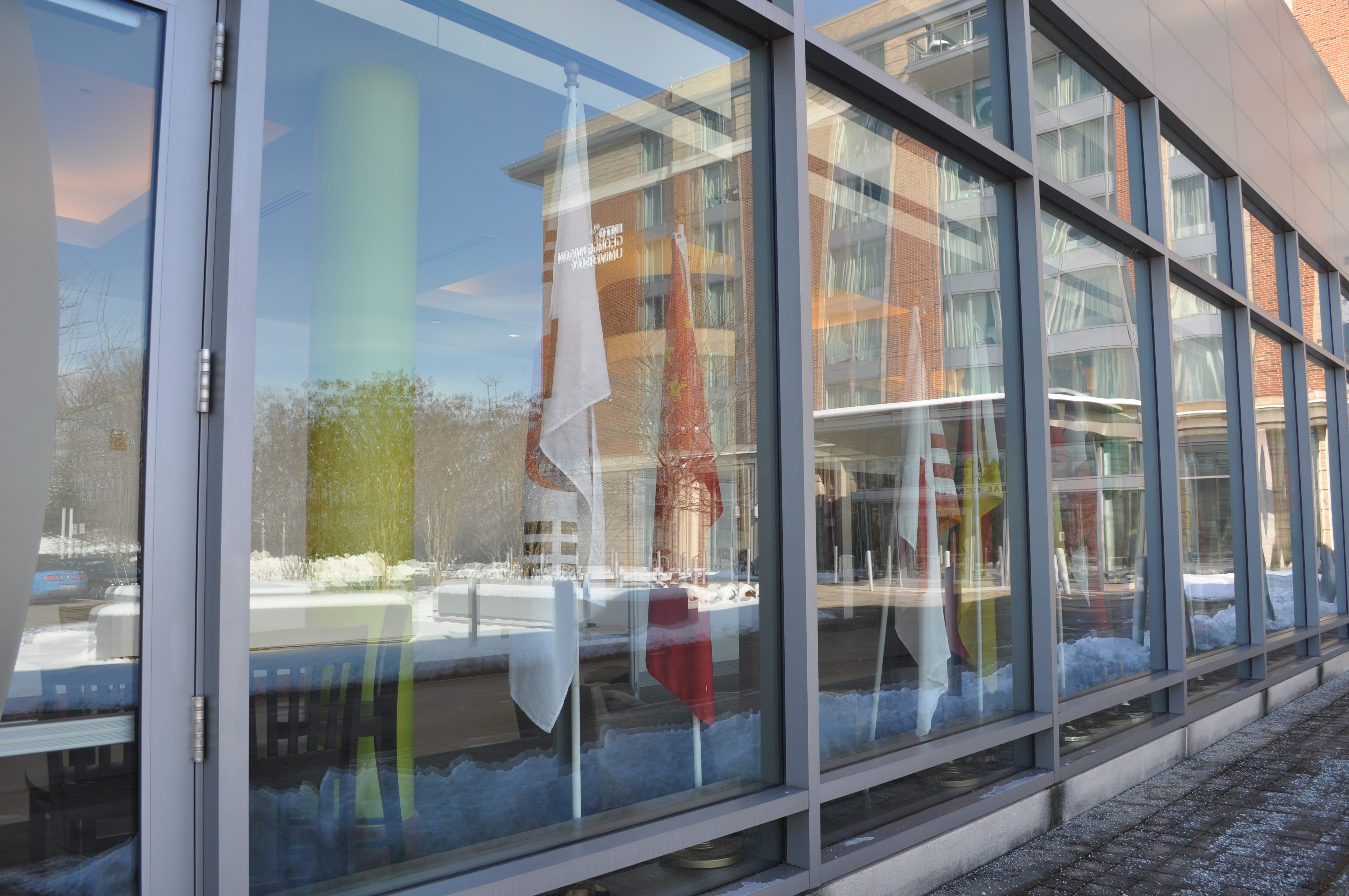
 With no existing road maps for multilingual student success, Mason INTO has joined with the Stearns Center to develop a ground-breaking effort to harness this resource and create a path for faculty and students to support them on their academic journey.
 “At Mason, we pride ourselves on our diversity, but we can’t just point to our population numbers and say ‘look at us’ — we want and need to do more. Our focus is to develop Mason’s agility and ability to work across cultures and languages,” explains INTO’s Interim Academic Director Karyn Kessler. “We have a treasure trove at our fingertips which we can use to prepare Mason grads to have a global mindset and to work on global problems.”
 As a former high school science teacher at Chantilly and Thomas Jefferson in Fairfax County, Andrea Cobb, (PhD in biochemistry) saw the difference with her own eyes. After sending her students off to a summer research experience through Mason’s Aspiring Scientist’s Summer Internship Program (ASSIP), they would return in the fall as changed students. “They came back to school looking and sounding like inspired scientists, with a resume full of authentic research under their belts. I could see the difference in their eyes and read it in their papers,” says Cobb.
 STEM access to real-world, research. ASSIP attracts students from a wide range of schools — from Virginia (including UVA and William and Mary), to California, (including Stanford and Berkeley), as well as students from smaller schools like Troy University and Carleton College. Mentors from Mason’s College of Science donate their time each summer to deliver this rich experience.
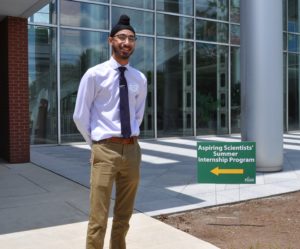 a lot of strengths going through this program, but, importantly, I also learned a lot about my weaknesses, it showed me where I needed to focus to make the most of my time here,” said Bedi. “This program fosters creativity, imagination, and collaboration — it’s truly exciting.” Bedi emphasizes the importance and value of working with a mentor. “I was able to do research with Dr. Caroline Hoemann last year, who is in the Bioengineering Department. We analyzed white blood cell movement and how that might be applied to cancer research and therapy.” Bedi is clearly passionate about his work through ASSIP, but credits the program for giving him hands-on access to important research that brings his passion to life.