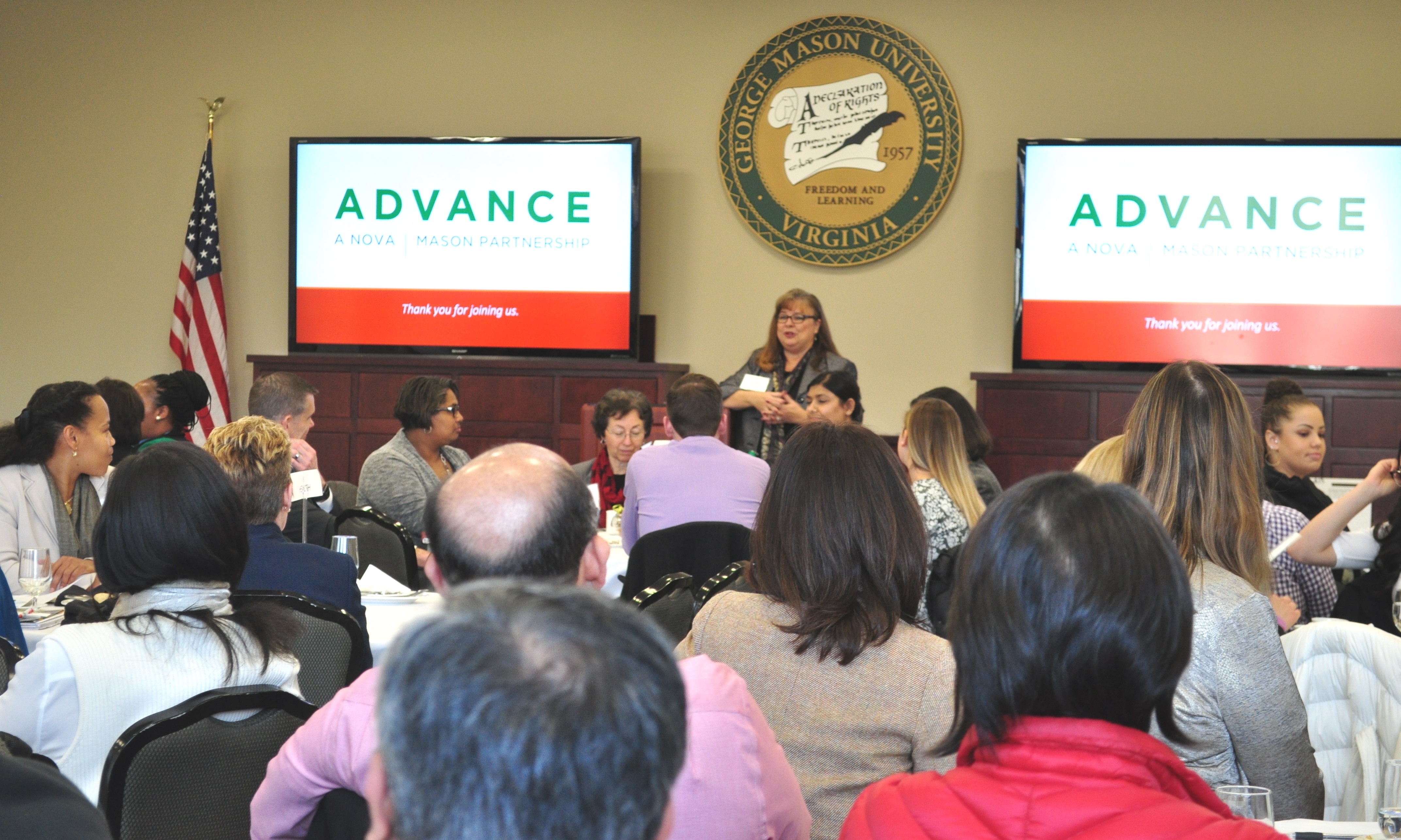
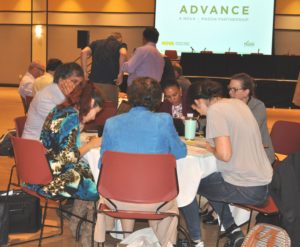
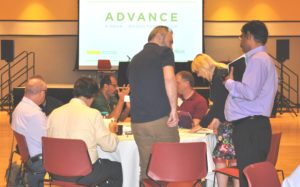
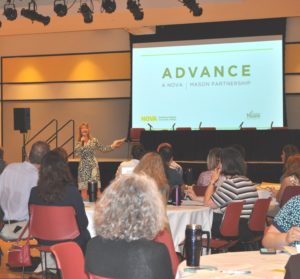
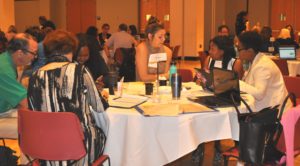
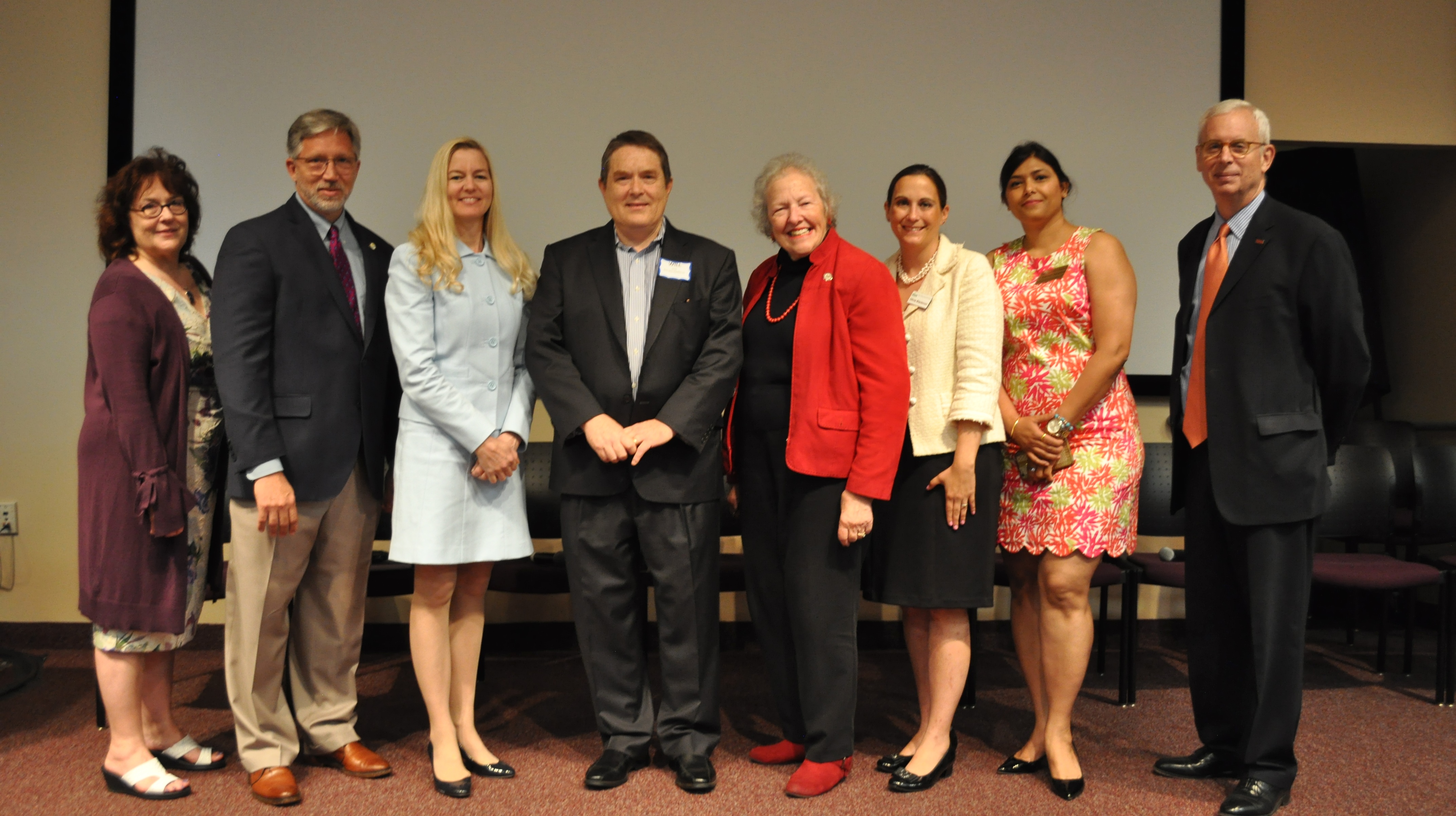
Taking another important step forward, the innovative partnership program between Northern Virginia Community College (NOVA) and George Mason University (Mason) — known as ADVANCE — recently hosted a Summit which brought together regional and national leaders from both the Technology and Health sectors to work with faculty to develop collaborations in support of current students and future needs of the business community. This summit was the first in a series of meetings supported through an APLU Collaborative Opportunity Grant. Mason 4-VA supports the ADVANCE initiative through personnel support and course development — aligning well with state 4-VA goals focused on access and completion.
Although the goal of the Summit was multipurpose, it focused heavily on determining  the future employee skill sets desired in the two sectors with an eye toward building educational curricula for the Mason/NOVA ADVANCE students to meet those needs. “We recognize the importance of building relationships with the business community so that we can work together to build the employee workforce necessary to be successful,” explained Janette Muir, Associate Provost for Academic Initiatives and Services at Mason, one of the hosts of the event.
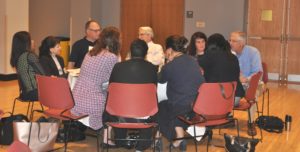
A wide range of more than 40 diverse companies were represented at the event – including MITRE, Deloitte, SAIC, Amazon, INOVA, OrthoVirginia, and Sunrise Senior Living. Leaders from these companies along with faculty from Mason and NOVA spent the afternoon in a working round-table setting, outlining the specific needs of future work forces. “We want our students to walk into the doors these companies and others being the best prepared and effective employee. To do so, we need to identify the current knowledge gaps and determine what we can do to bridge those gaps,” continued Muir.
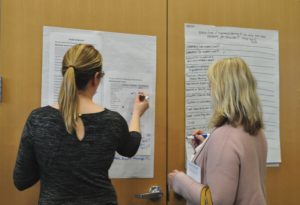 The Summit produced an array of concrete steps to begin to integrate not only the hard, technical skills needed by the business community but also a detailed list of “soft” skills important in any office environment, including communication tools and techniques, office protocol, business development and team building.
Thanks to the Summit, faculty members from both NOVA and Mason will return to their departments armed with an updated set of educational goals and guidelines to integrate into their curricula.
Karen Underwood, the Academic Manager of Computational and Data Sciences at Mason left the Summit with an even more concrete result, a list of business community members who have agreed to visit the campus to provide seminars to students on a variety of topics. Underwood sees real value in developing these relationships, “Learning about real world work scenarios and meeting potential future employers as an undergraduate will be a wonderful networking opportunity for our students. This feels like the start of something very worthwhile for all.”
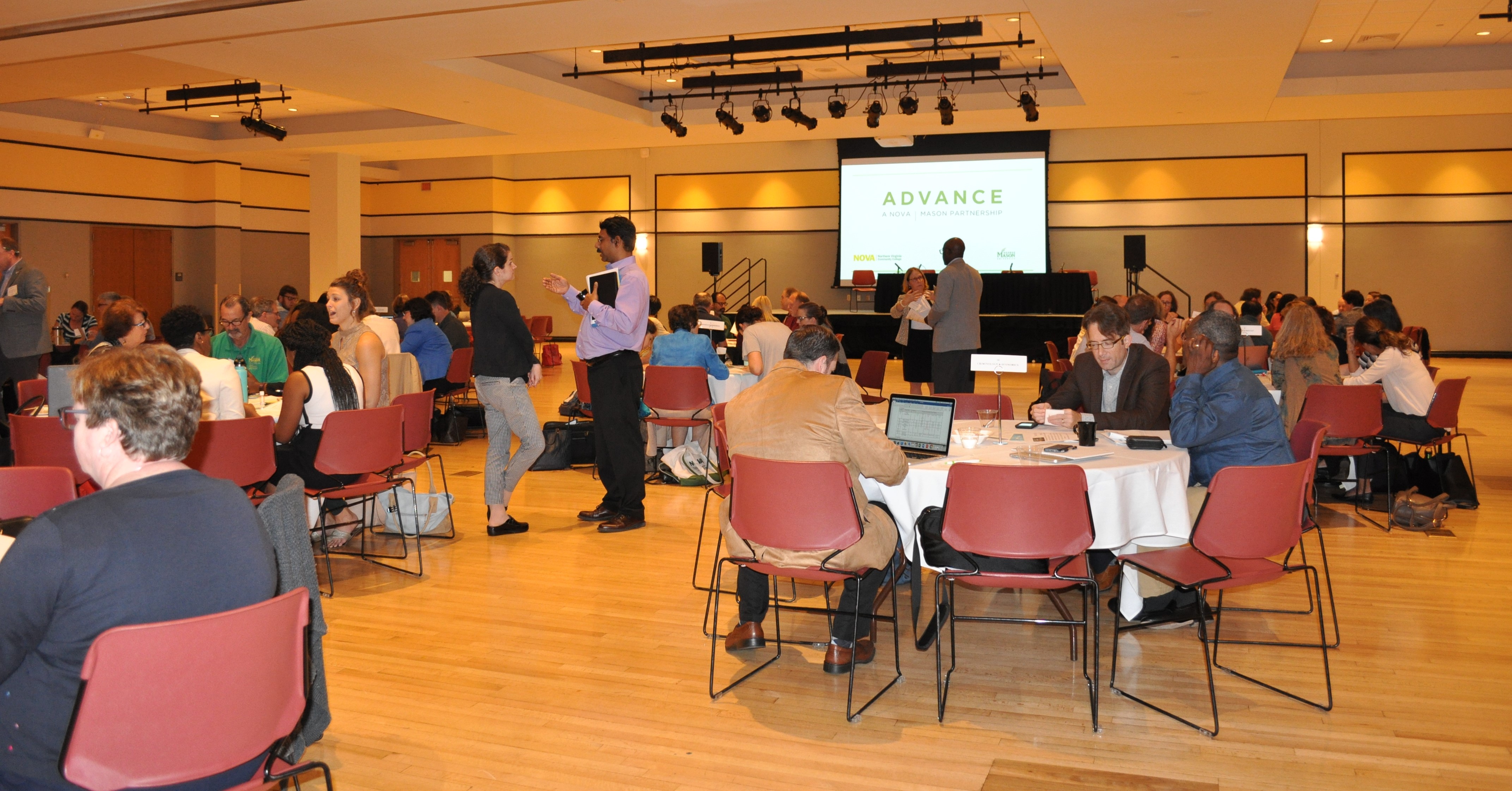
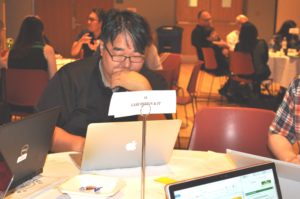
 Virginia Community College (NVCC) and George Mason University volunteered to spend their day off recently aligning courses and designing curricula to help provide a streamlined transition for NVCC students interested in transferring to Mason for a four-year degree.
 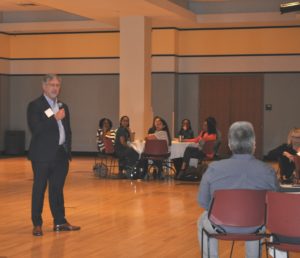 NVCC President Dr. Scott Ralls opened the conference by noting several obstacles facing students in the current transfer process, including a lack of clarity regarding prerequisite courses, confusion due to separate guidance services, and often-tedious paperwork; all resulting in a loss of an average of 15 credits per student. “This meeting is important and historic. Rarely do groups of faculty get together to take on this difficult process – in this room we have educators that care about their students. We’re part of something bigger than ourselves and our institutions,” explained Ralls.
 process, providing access to Mason student life, and streamlining enrollment and registration services, participants broke into groups based on their areas of study and got to work. Professors attending the conference came from a variety of departments including Health, Information Technology, Math, English, Education, Visual Design and the Sciences. At the conclusion, each group created a “pathway” worksheet, outlining each of their courses and the necessary steps to merge or mirror them.
 rts here today.”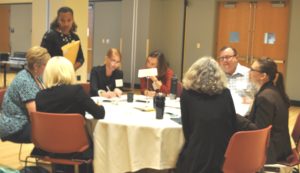
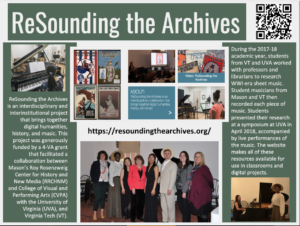 “ReSounding the Archives” was the result of a collaboration of archivists, librarians, faculty, and students from Mason, and two other 4-VA institutions — University of Virginia and Virginia Tech — to delightfully bring the music of World War I to life and open the door to the power of the message behind America’s most popular songs of the time. Through research and recordings of WWI era sheet music, including cover art, musical notations and lyrics, the group dissected the scores, performed 18 different popular songs, and produced a website to share the entertaining results with the world. Visit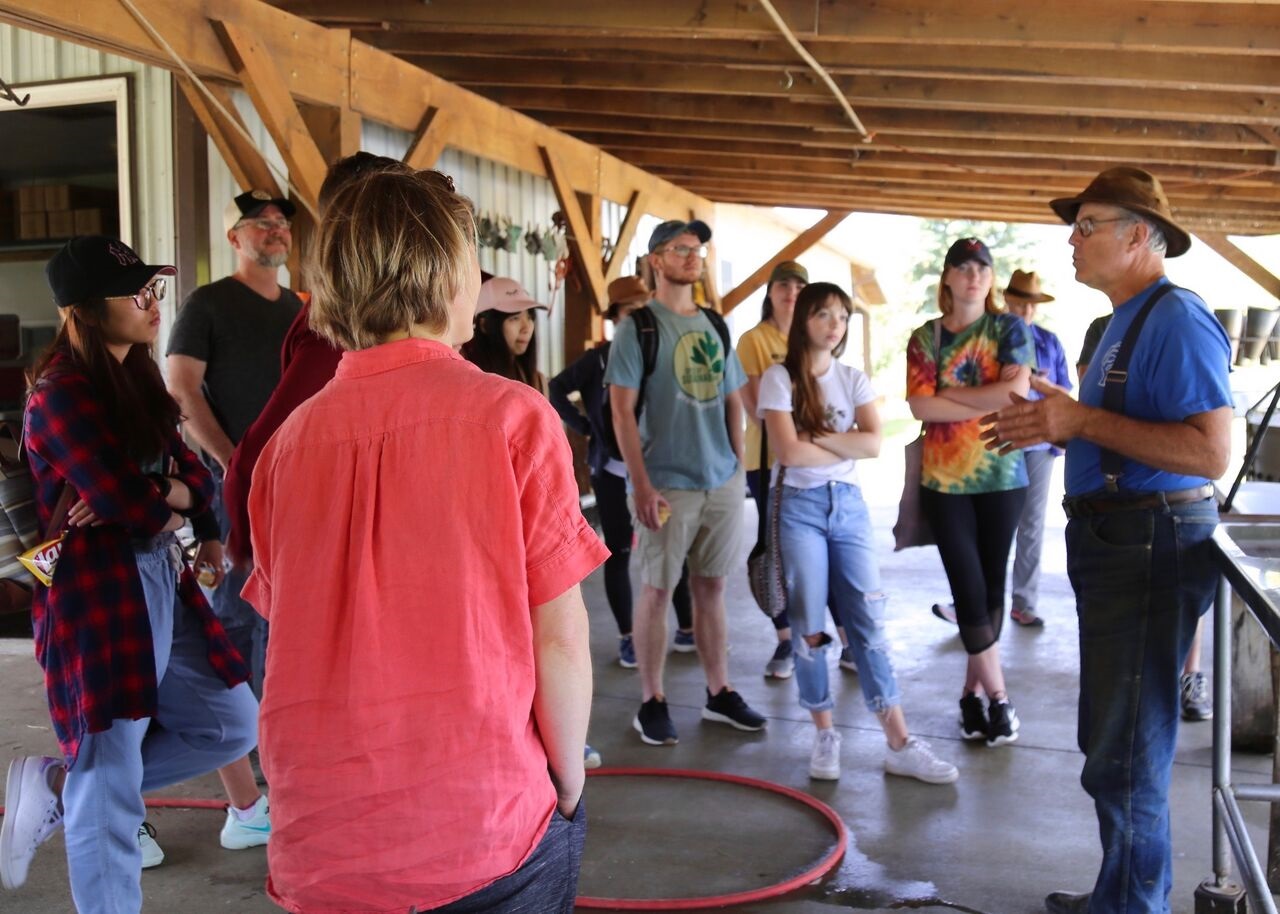
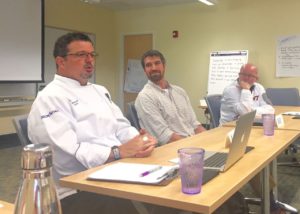
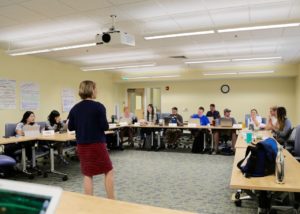 University faculty, along with professionals from food systems stakeholder organizations including dining service companies Aramark and Sodexo, farmers, food aggregators and distributors, and food system labor leaders, led the classroom work. The course also
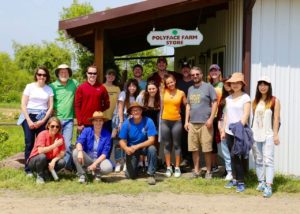
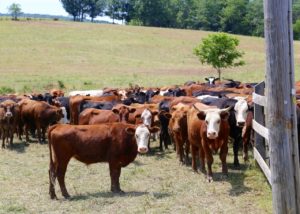
  integrated field trips to farms, a produce auction, professional kitchens, and other food systems sites. One such field trip included a day at the innovative Polyface Farm, heavily featured in Michael Pollan’s noted book The Omnivore’s Dilemma and in the celebrated documentary Food, Inc. with discussions led by owner and renowned farmer Joel Salatin.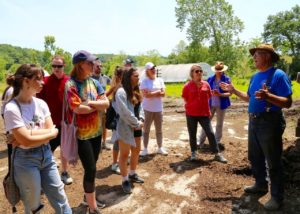

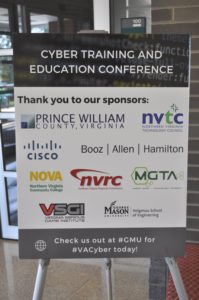 Conference, held on the George Mason University Science and Technology campus in Manassas, Virginia. The conference’s purpose was to tackle a critical issue facing the region — 43,200 vacant jobs in cyber technology waiting for workers.
 Hundreds of attendees filled the auditorium at the Mason Sci-Tech campus to learn more about the future of cyber technology. The conference offered two tracks – one for teachers interested in developing and delivering curriculum for K-12 students as well as for administrators at area institutions of higher education; the second for veterans interested in applying their skills learned in the armed services to the cyber technology field. Various panels throughout the conference discussed the ways and means to achieve the best outcome to pave pathways to cyber employment.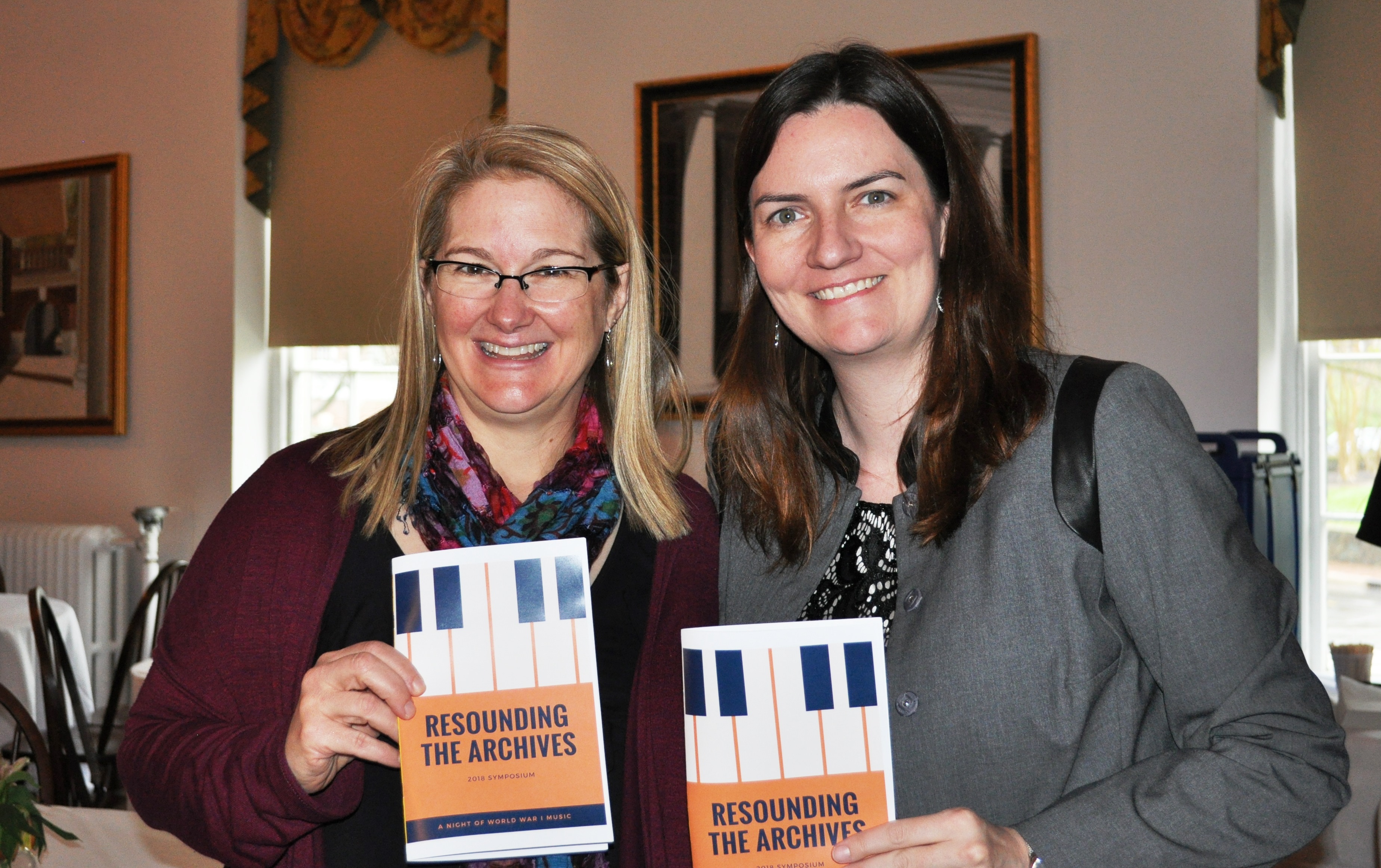
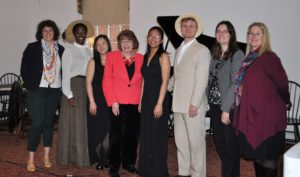 Representatives from all three universities worked together to coordinate a special performance in UVA’s historic Colonnade Club’s Garden Room. That evening, 18 different pieces of music, from “K-K-K Katy” to “Over There” to “Oh, How I Hate to Get Up in the Morning” were delivered to a packed house. Student engineers were on site to record the performance.